
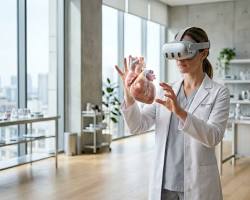
Virtual Reality Headsets Are Getting Lighter, Cheaper, and Smarter
Virtual reality hardware has continued to improve steadily, with newer
headsets shedding weight, improving display resolution, and dropping in price
compared to earlier generations that struggled to find a mainstream audience
beyond dedicated gaming enthusiasts. Standalone headsets that don't require a
separate, powerful computer have become the dominant format.
Beyond gaming, VR has found growing practical use in training simulations
for fields like healthcare and manufacturing, where practicing high-stakes
procedures in a realistic virtual environment carries far lower risk and cost
than real-world training. Several companies have also pushed VR for remote
collaboration, with mixed results on actual adoption.
Despite the steady hardware improvements, VR still hasn't achieved the
kind of mainstream household adoption many companies once predicted, with
motion sickness, the social awkwardness of wearing a headset, and a relatively
thin software library remaining persistent obstacles to broader appeal.





Comments