
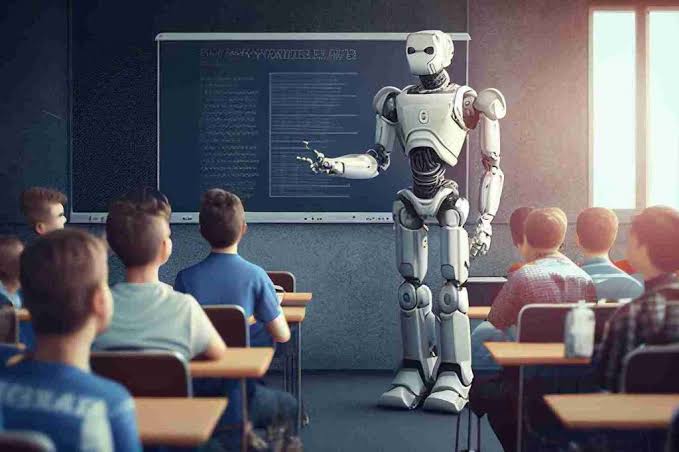
Artificial Intelligence is revolutionizing the education sector by making learning more personalized, accessible, and effective for students worldwide. Schools, universities, and online learning platforms are leveraging AI technologies to create customized educational experiences that adapt to individual learning styles, strengths, and areas for improvement.
Traditional classroom models often struggle to address the unique needs of every student. AI-powered learning systems help overcome this challenge by analyzing student performance, learning behaviors, and engagement patterns in real time. These insights enable educators to provide tailored learning pathways that support individual academic growth.
One of the most significant advancements in educational technology is adaptive learning. AI-driven platforms can automatically adjust lesson difficulty, recommend relevant study materials, and provide personalized assessments based on a student's progress. This approach helps learners move at their own pace while ensuring they fully understand key concepts before advancing.
Intelligent tutoring systems are becoming increasingly popular across educational institutions. These AI-powered tools provide instant feedback, answer student questions, and offer personalized guidance outside traditional classroom hours. By acting as virtual learning assistants, they help students receive additional support whenever needed.
Machine learning algorithms are also helping educators identify students who may require extra assistance. By analyzing attendance records, assignment completion rates, assessment results, and engagement metrics, AI systems can detect early signs of academic difficulties. This enables teachers and administrators to intervene proactively and improve student outcomes.
Online education platforms have greatly benefited from AI integration. Personalized course recommendations, automated grading systems, content optimization, and intelligent learning analytics help create more engaging and efficient digital learning experiences. These capabilities are particularly valuable as demand for remote and hybrid learning continues to grow.
Language learning applications are another area where AI is making a substantial impact. Advanced natural language processing technologies allow platforms to evaluate pronunciation, grammar, vocabulary usage, and communication skills. Students receive immediate feedback that helps accelerate language acquisition and improve learning effectiveness.
Higher education institutions are utilizing AI to enhance student services and administrative operations. Universities are deploying AI-powered chatbots, virtual advisors, and predictive analytics systems to assist with admissions, enrollment management, academic counseling, and student support services. These solutions improve efficiency while providing faster assistance to students.
AI is also helping educators develop more effective teaching strategies. Learning analytics platforms provide detailed insights into classroom performance, content effectiveness, and student engagement levels. Teachers can use this information to refine lesson plans, optimize instructional methods, and create more impactful learning experiences.
Accessibility remains one of the most important benefits of AI in education. Intelligent tools such as speech recognition, text-to-speech systems, real-time translation, and assistive technologies are helping make education more inclusive for students with diverse learning needs and backgrounds. These innovations support equal learning opportunities and improve educational accessibility worldwide.
The growing popularity of generative AI is introducing new possibilities for content creation and educational support. Students can access AI-powered study guides, interactive learning materials, personalized explanations, and practice exercises tailored to their academic requirements. Educators can also use AI tools to create lesson content, assessments, and classroom resources more efficiently.
Data privacy and responsible AI implementation remain critical considerations as educational institutions expand AI adoption. Schools and universities are increasingly developing governance frameworks to ensure student data is protected while maintaining transparency and ethical AI usage practices.
Industry experts predict that AI-powered education technologies will continue expanding throughout the coming years. Advances in machine learning, natural language processing, and intelligent automation are expected to create even more personalized, engaging, and effective learning environments.
As educational institutions continue their digital transformation journeys, artificial intelligence is becoming a key driver of innovation. By supporting personalized learning, improving student engagement, enhancing accessibility, and empowering educators with data-driven insights, AI is helping shape the future of education for learners around the world.





Comments