
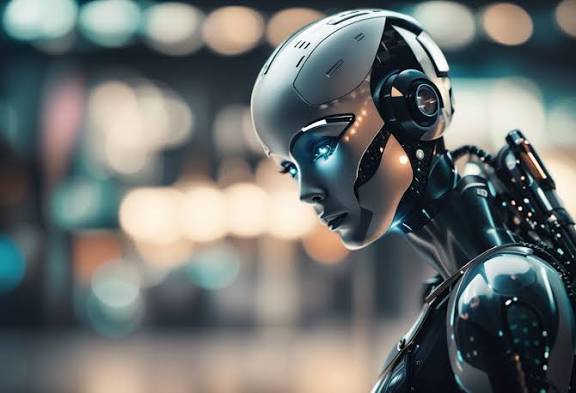
Artificial intelligence is ushering in a new era of virtual assistants, transforming them from simple voice-command tools into intelligent digital companions capable of understanding context, managing complex tasks, and delivering highly personalized experiences. Advances in generative AI, natural language processing, and multimodal intelligence are enabling virtual assistants to become more capable, responsive, and valuable across both personal and professional environments.
Modern AI-powered virtual assistants can understand conversational language more naturally, maintain context across multiple interactions, and respond with greater accuracy. Instead of answering isolated questions, these systems can assist users through multi-step tasks such as planning schedules, summarizing meetings, organizing information, and providing detailed recommendations.
One of the most significant improvements is enhanced reasoning capability. Advanced AI models can analyze complex requests, interpret user intent, and generate thoughtful responses based on available information. This allows virtual assistants to support more sophisticated workflows in business operations, education, customer service, and personal productivity.
Businesses are increasingly deploying AI-powered virtual assistants to automate customer interactions. Intelligent chatbots and digital support agents can answer frequently asked questions, assist with product recommendations, resolve common service requests, and provide 24/7 customer support. Human representatives remain available for complex situations, creating a balanced approach that improves efficiency and customer satisfaction.
Workplace productivity is another area benefiting from smarter virtual assistants. Employees can use AI to draft emails, summarize reports, organize meetings, create presentations, manage tasks, and retrieve information from internal knowledge bases. These capabilities reduce administrative work and allow teams to focus on strategic responsibilities.
Multimodal AI is expanding the functionality of virtual assistants beyond text and voice. Modern systems can interpret images, documents, presentations, spreadsheets, charts, and audio files, enabling users to interact with multiple forms of information within a single conversation. This creates a more seamless and intuitive user experience.
Personalization has become a defining feature of next-generation AI assistants. With appropriate user settings and permissions, assistants can adapt responses based on preferences, communication styles, workflows, and frequently used applications. This personalized approach helps users complete tasks more efficiently while improving overall engagement.
Software development teams are integrating virtual assistants into coding environments to support code generation, debugging, technical documentation, and project management. AI-powered development assistants accelerate software creation while helping developers solve technical challenges more efficiently.
Healthcare organizations are adopting AI assistants to streamline administrative workflows, schedule appointments, assist with documentation, and provide general informational support. While medical decisions remain under the supervision of healthcare professionals, AI helps improve operational efficiency and patient communication.
Educational institutions are incorporating intelligent assistants into digital learning platforms. Students can receive explanations, study support, research assistance, and personalized learning recommendations, while educators benefit from automated grading support, lesson planning, and content creation tools.
Financial institutions are using AI-powered assistants to help customers access account information, answer general financial questions, guide users through digital services, and assist employees with document retrieval and reporting. These applications improve service efficiency while maintaining security and compliance standards.
Cloud computing continues to support the widespread adoption of AI assistants by providing scalable infrastructure, secure deployment environments, and integration with enterprise software. Businesses can deploy intelligent assistants across departments without requiring extensive hardware investments.
Responsible AI development remains a critical priority. Organizations are implementing safeguards related to data privacy, cybersecurity, transparency, fairness, and human oversight to ensure virtual assistants operate responsibly and protect user information.
The emergence of AI agents is further expanding the capabilities of virtual assistants. Rather than simply responding to prompts, next-generation systems can help coordinate workflows, complete approved tasks across connected applications, and assist users with longer, more complex processes while keeping human users in control.
Industry experts expect AI-powered virtual assistants to become even more capable through advances in reasoning, memory, multilingual communication, and real-time collaboration. Future systems are likely to offer deeper integration with business software, smarter automation, and more natural interactions across devices and digital platforms.
As organizations and consumers increasingly rely on intelligent technologies, AI-powered virtual assistants are becoming indispensable tools for productivity, communication, and digital collaboration. Their growing capabilities are reshaping how people interact with technology, enabling faster workflows, better decision-making, and more personalized experiences across every sector.





Comments