
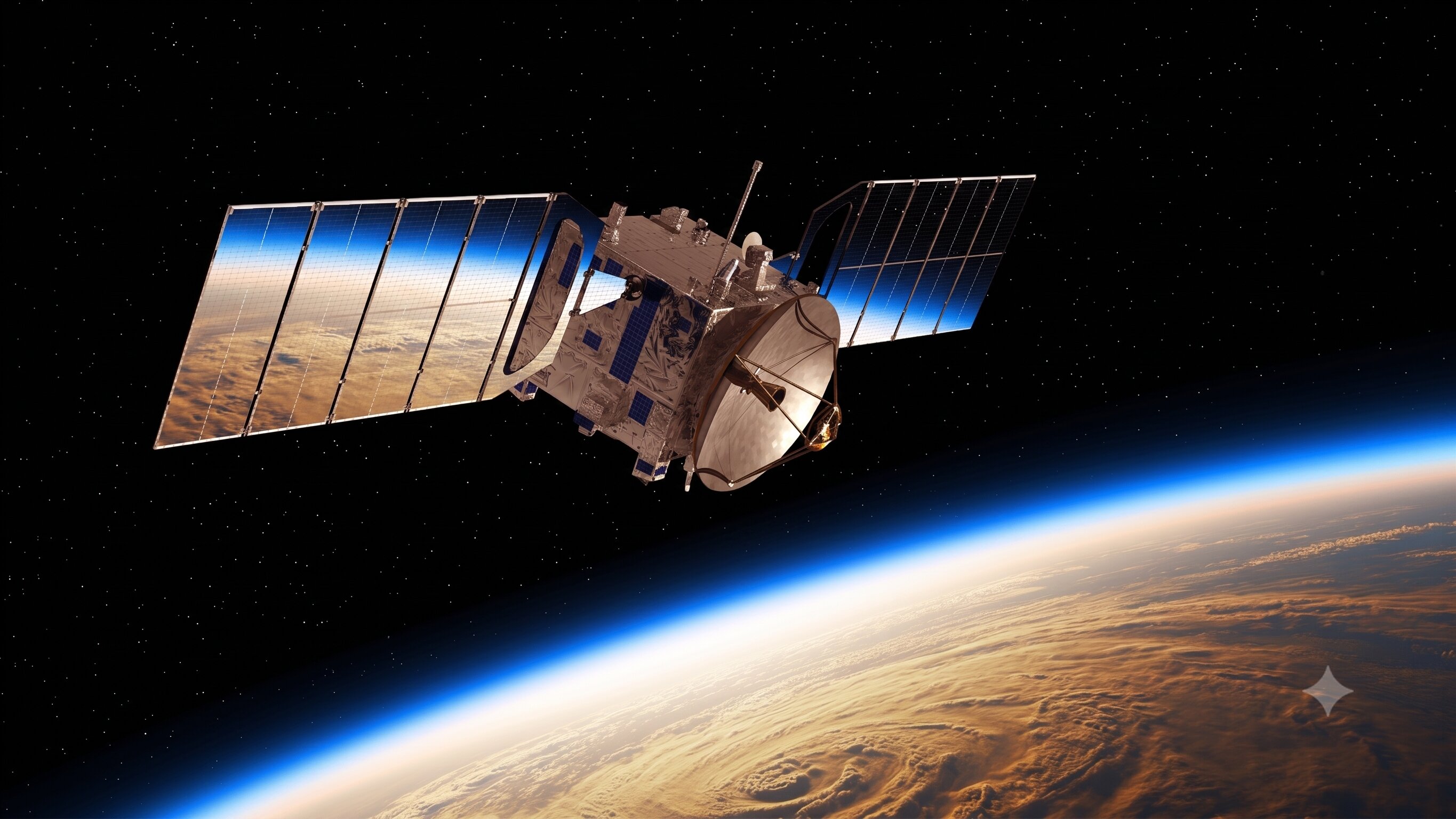
NASA is leveraging artificial intelligence and machine learning technologies to analyze vast amounts of Earth observation data collected from satellites, sensors, and space missions. The initiative represents one of the agency's most ambitious efforts to use AI for understanding environmental changes, improving climate research, and enhancing scientific discovery.
Every day, NASA's Earth-observing satellites generate enormous volumes of data covering the planet's atmosphere, oceans, land surfaces, weather systems, and ecosystems. Processing and analyzing this information manually can be time-consuming and resource-intensive. By training advanced AI models on these massive datasets, NASA aims to accelerate scientific research and uncover insights that may otherwise take years to identify.
The agency's AI systems are being designed to recognize patterns, detect anomalies, and analyze environmental trends across global datasets. These capabilities can help researchers monitor climate change, track natural disasters, study weather patterns, observe changes in forests and oceans, and improve predictions related to environmental events.
One of the primary objectives of the initiative is to improve climate science. AI-powered models can analyze decades of satellite imagery and observational data to identify long-term trends in global temperatures, sea-level rise, glacier movement, and greenhouse gas emissions. These insights can help scientists better understand the effects of climate change and support evidence-based decision-making.
NASA is also using machine learning to improve disaster response and environmental monitoring. AI algorithms can rapidly analyze satellite images to identify areas affected by hurricanes, floods, wildfires, droughts, and other natural disasters. Faster data processing enables emergency response teams and government agencies to make more informed decisions during critical situations.
Another important application involves agricultural monitoring. By analyzing Earth observation data, AI systems can help identify crop health conditions, monitor water resources, and detect environmental factors that may impact food production. Such insights can contribute to more sustainable resource management and support global food security efforts.
The initiative also supports NASA's broader mission of advancing scientific discovery through emerging technologies. AI allows researchers to process and interpret data at a scale that would be impossible through traditional methods alone. As the volume of Earth observation data continues to grow, intelligent systems are becoming increasingly essential for extracting meaningful information.
Researchers believe that combining AI with satellite technology will unlock new opportunities in environmental science, meteorology, and Earth system modeling. Machine learning models can identify hidden relationships within complex datasets, enabling scientists to gain deeper insights into how natural systems interact and evolve over time.
The use of AI in Earth observation is part of a larger trend across the scientific community. Space agencies, research institutions, and technology companies worldwide are increasingly adopting artificial intelligence to improve data analysis, automate research processes, and accelerate innovation in fields ranging from climate science to astronomy.
NASA officials have emphasized that AI will play a crucial role in future space and Earth science missions. As new satellites and observation systems generate even larger datasets, artificial intelligence will help scientists manage information more efficiently and derive valuable insights that support both scientific research and public policy.
Experts believe that initiatives like this demonstrate the transformative potential of AI beyond traditional business applications. By combining advanced computing with scientific exploration, organizations can address some of the world's most pressing challenges, including climate change, environmental sustainability, and disaster preparedness.
As artificial intelligence continues to evolve, NASA's investment in AI-driven Earth observation research highlights the growing importance of intelligent technologies in advancing science and expanding humanity's understanding of the planet.





Comments