
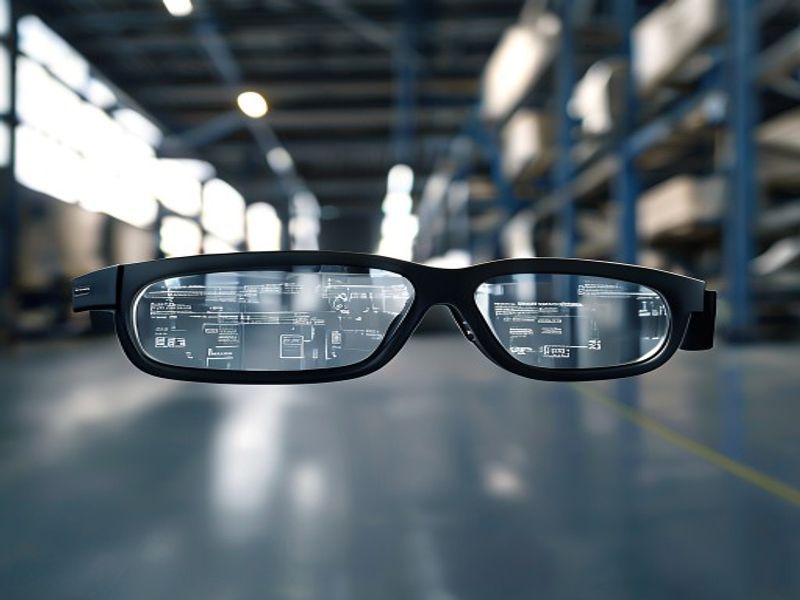
Even Realities has thrown its hat into the burgeoning smart glasses arena, distinguishing itself with a focused bet on enterprise productivity and a notable absence of cameras. The company’s new device aims to circumvent the privacy concerns that have dogged previous smart glass endeavors, positioning itself as a secure, utilitarian tool for professional environments rather than a consumer gadget.
The history of smart glasses is dotted with ambitious attempts, many of which faltered under the weight of privacy backlash. Google Glass, for instance, faced significant public resistance due to its integrated camera, leading to widespread "Glasshole" derision and eventual pivot from the consumer market. Even Realities appears to have learned from these missteps, recognizing that for augmented reality wearables to gain traction in sensitive sectors like manufacturing, healthcare, or logistics, trust and data security must be paramount. By eliminating the camera, the company directly addresses the core friction point for adoption within regulated industries and corporate settings.
This camera-free design opens doors for integration into workplaces where recording is restricted or undesirable. Imagine a factory floor where technicians receive real-time instructions or schematics directly in their field of vision without the worry of inadvertently capturing proprietary information or employee activities. Or in field service, where critical data can be overlaid onto machinery, enhancing efficiency and reducing errors, all while respecting client confidentiality. Even Realities is clearly targeting use cases where discrete information delivery and hands-free operation are key, rather than ubiquitous data capture.
The success of these glasses will ultimately hinge on their practical utility and seamless integration into existing enterprise workflows. Beyond the privacy-first approach, the core technology – display quality, processing power, battery life, and software ecosystem compatibility – will determine if these devices become indispensable tools or merely another niche accessory. Even Realities' strategic choice to prioritize productivity over broad functionality, coupled with its camera-free stance, represents a calculated gamble that could carve out a significant segment in the professional wearable market, offering a template for how specialized hardware can succeed where general-purpose devices have struggled.





Comments