
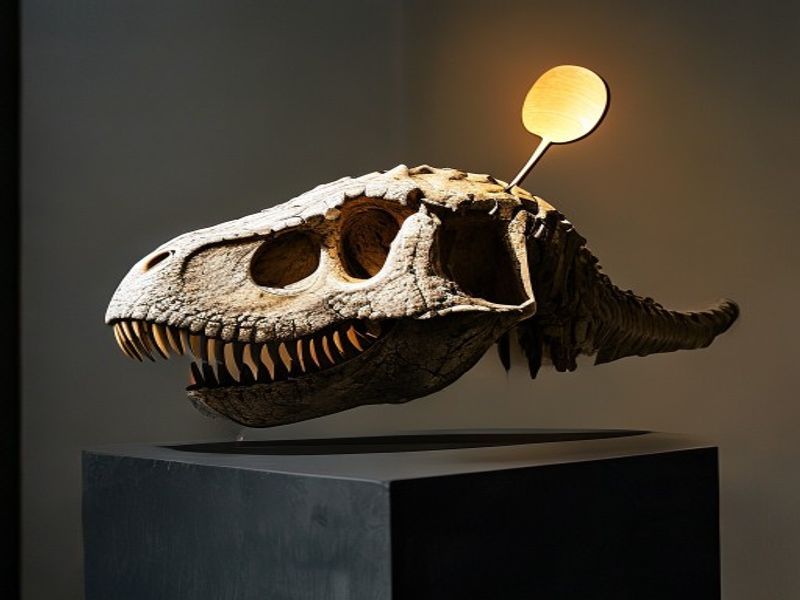
The high-profile auction of a Tyrannosaurus Rex skeleton at Sotheby’s has reignited a simmering debate within the scientific community, casting a stark light on how private wealth and market hype increasingly threaten access to invaluable paleontological discoveries for research.
Scientists are voicing growing alarm as private collectors consistently outbid museums and academic institutions for rare fossils, often fetching tens of millions of dollars. This trend effectively sequesters critical specimens behind closed doors, making them inaccessible for detailed study, peer review, and public display—essential components of scientific advancement. The recent T. Rex sale, while setting records, underscores a broader market dynamic where commercial value supersedes scientific imperative, turning ancient relics into luxury assets.
For paleontologists, a fossil isn't just a spectacle; it’s a data repository. Each bone, each impression, offers clues about ancient ecosystems, evolutionary pathways, and Earth’s geological history. When these specimens enter private hands without guarantees of scientific access, crucial data is effectively lost to the scientific record. Researchers face significant hurdles in verifying previous findings or conducting new analyses, leading to an incomplete understanding of our planet’s past and hindering the collaborative nature of scientific inquiry.
The ethical implications extend beyond immediate research. Museums serve as public trusts, curating collections for educational purposes and inspiring future generations. The diversion of premier fossils to private collections not only diminishes these public resources but also raises questions about the long-term stewardship of irreplaceable natural heritage. While some private owners do grant access, such arrangements are often ad hoc, lack permanence, and are not a substitute for the institutional stability and open access principles of public scientific bodies. Addressing this widening gap will require a concerted effort from auction houses, policymakers, and the scientific community to balance market forces with the undeniable value of scientific discovery.





Comments