
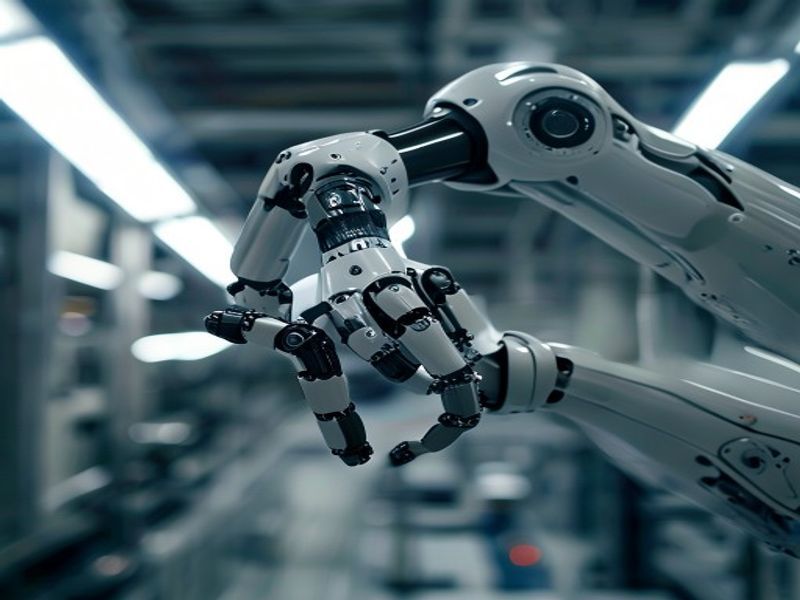
Fujitsu and a consortium of leading Japanese robotics companies are committing to Nvidia's advanced AI platforms to power their next generation of 'physical AI' systems, marking a significant strategic alignment in the burgeoning field of intelligent robotics.
'Physical AI' refers to artificial intelligence systems designed to learn, adapt, and operate autonomously within the real world, moving beyond controlled environments to handle complex, unpredictable tasks. This collaboration aims to infuse traditional robotics with sophisticated real-time decision-making and learning capabilities, crucial for applications ranging from advanced manufacturing to logistics and elder care. Nvidia’s platforms, particularly its Jetson edge AI devices and Isaac robotics software, offer the computational horsepower and development tools necessary for such ambitious projects, enabling robots to perceive their surroundings, process vast amounts of sensor data, and execute intricate manipulations with unprecedented precision.
The partnership underscores a broader industry trend towards more autonomous and context-aware robotic systems. For Japan, a nation long at the forefront of industrial robotics, this move solidifies its commitment to leading the next wave of robotic innovation, transitioning from programmed automation to truly intelligent machines. The integration promises to accelerate breakthroughs in areas like dexterous manipulation, human-robot interaction, and autonomous navigation, potentially reshaping various sectors and addressing critical challenges such as labor shortages and the demands of increasingly complex operational environments.





Comments