
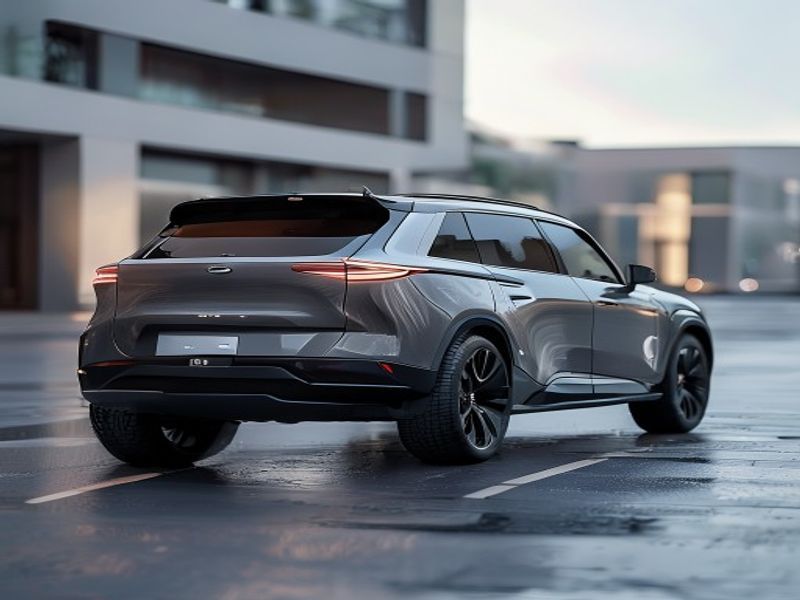
Honda will no longer sell its Prologue electric SUV in the United States, a significant move that signals a deeper recalibration within the burgeoning U.S. electric vehicle market. The Prologue joins a growing roster of EV models quietly exiting showrooms this year, reflecting a complex interplay of shifting consumer preferences, intensified competition, and broader economic headwinds.
Automakers, initially bullish on rapid EV adoption, are now confronting a more nuanced reality. While EV sales continue to climb, the pace of growth has slowed compared to earlier projections. This deceleration, coupled with high development costs and a fragmented charging infrastructure, has pressured manufacturers to reassess their product portfolios. For many, the early strategy of flooding the market with diverse EV offerings is giving way to a more conservative, profitability-focused approach. Discontinuation of models like the Prologue, which had been positioned as a key entry into Honda’s electrification strategy, highlights that not all vehicles can find a sustainable foothold in an increasingly crowded segment. Factors such as range anxiety, purchase price parity with internal combustion engine (ICE) vehicles, and a lack of compelling differentiation are all contributing to these market adjustments.
The implications of this trend extend beyond individual model lines. It suggests a potential consolidation within the EV space, where only the most competitive and well-supported vehicles will thrive. For consumers, this might mean fewer choices in the short term, but also a more refined selection of EVs that truly meet market needs and expectations. Automakers are likely to double down on popular segments, investing more heavily in models that demonstrate clear demand and profitability, while less successful ventures are pared back. This strategic pivot could ultimately lead to a more mature and sustainable electric vehicle ecosystem, albeit one shaped by tougher market realities than initially envisioned.





Comments