
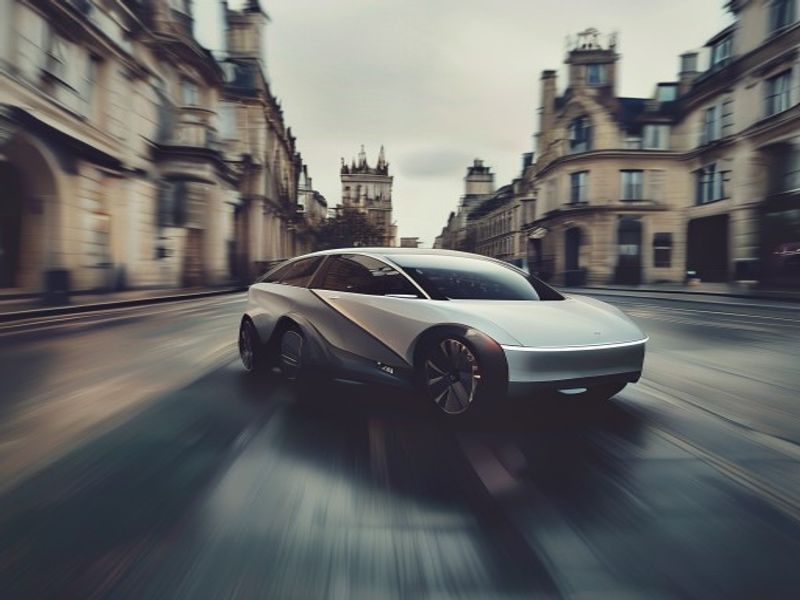
Baidu’s Apollo Go autonomous vehicles have commenced testing in London, marking a pivotal expansion of driverless ride-hailing into one of Europe’s most complex and iconic urban environments. The initiative leverages the extensive FreeNow mobility network, a platform Lyft notably acquired in 2025, laying the groundwork for a future where autonomous shuttles could become a common sight on the city’s historic streets.
This strategic alliance brings together Baidu's advanced autonomous driving technology—refined over years in China and increasingly across global markets—with Lyft's substantial footprint in ride-hailing services, amplified by FreeNow's established operational capabilities and local market penetration in London. The trials are not merely a technical exercise but a significant step in navigating the intricate regulatory landscape and public perception surrounding driverless vehicles in a major metropolitan area. London, with its diverse road networks, varied traffic conditions, and unique historical infrastructure, presents both formidable challenges and unparalleled opportunities for showcasing the robustness and adaptability of autonomous driving systems.
For Baidu, a leader in AI and autonomous technology in China, this move represents a calculated push beyond its home turf. Apollo Go has already logged millions of autonomous miles in cities like Wuhan, Chongqing, and Beijing, offering ride-hailing services to the public. Partnering with Lyft and utilizing the FreeNow platform provides a ready-made ecosystem and user base, circumventing many of the initial hurdles typically associated with launching a new service in a foreign market. Lyft's acquisition of FreeNow itself was a forward-looking play, anticipating the convergence of traditional ride-hailing with emerging autonomous capabilities. The timing of these trials suggests a deliberate effort to integrate these technologies seamlessly into existing mobility solutions.
The successful deployment of robotaxis in London could have far-reaching implications, not just for the involved companies but for the broader autonomous vehicle industry. It will test the limits of current AI perception and decision-making systems in highly dynamic environments, while also setting precedents for safety protocols, data privacy, and ethical considerations. As these vehicles gather more real-world data and demonstrate reliability, the path to wider commercialization could accelerate, fundamentally reshaping urban transportation, reducing congestion, and potentially offering more efficient and sustainable transit options for millions of Londoners.





Comments