
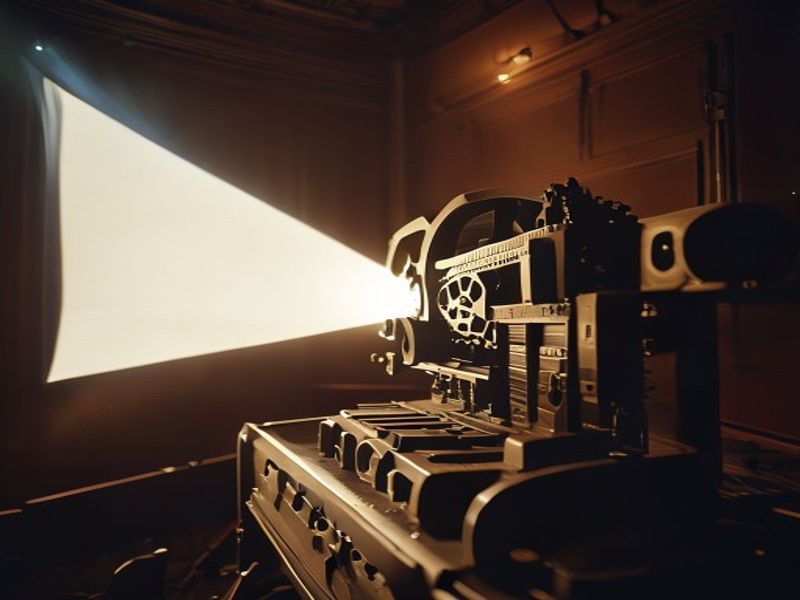
For discerning cinephiles chasing the ultimate big-screen experience, the promise of IMAX 70mm can often lead to frustration, as few theaters genuinely offer the format in its intended grandeur. While the IMAX name has become synonymous with large-format cinema, a significant distinction exists between its various iterations, particularly the rare and technically demanding 70mm film projection that many visionary directors still covet for their most ambitious works.
The current landscape of IMAX presentation encompasses a range of technologies, from standard digital Xenon projectors to more advanced laser projection systems. These digital formats deliver impressive scale and clarity, but they represent a departure from the analog purity of true 70mm film. The original IMAX 70mm format, requiring massive film reels and specialized projectors, offers unparalleled resolution and a unique aspect ratio that fills a colossal screen, creating an immersive experience that digital renditions, no matter how advanced, struggle to fully replicate. Yet, the cost, logistical complexity, and sheer physical space required for 70mm equipment mean that only a few dozen venues worldwide maintain this capability, making it a truly exclusive cinematic offering.
This scarcity poses a dilemma for both filmmakers and audiences. Directors like Christopher Nolan, known for their devotion to celluloid and large-format photography, often shoot specifically for IMAX 70mm, crafting visuals intended for that expansive canvas. When such films are exhibited in standard digital IMAX or even non-IMAX theaters, a significant portion of their artistic and technical vision is inherently compromised. For moviegoers, the challenge lies in identifying and accessing these rare true IMAX 70mm venues, often requiring travel to major metropolitan centers. As the industry continues its digital migration, preserving these specialized projection capabilities becomes not just an operational decision, but a cultural one, ensuring that a pinnacle of cinematic achievement remains accessible for future generations.





Comments