
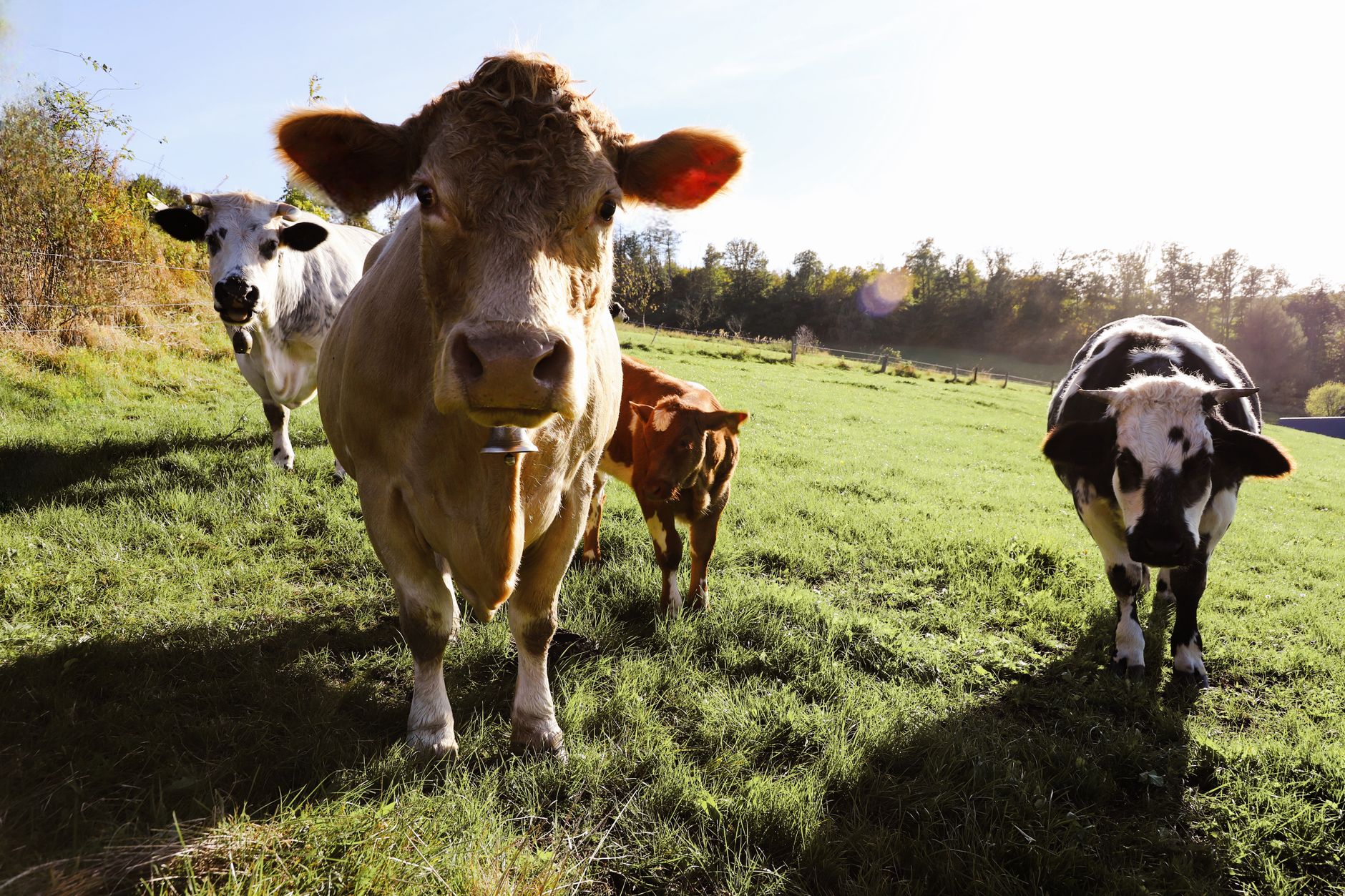
Dillon ranchers are shifting away from decades-old agricultural practices by outfitting their cattle with GPS-enabled collars, replacing miles of physical barbed wire with invisible digital perimeters. This shift allows livestock operators to manage grazing patterns directly from their smartphones, mapping out pastures and adjusting containment zones with a few screen taps. As rural labor shortages persist and materials costs climb, this satellite approach offers a practical way to handle expansive acreage without deploying extra riders or spending weeks stringing wire.
The underlying system relies on cellular networks and low-earth-orbit satellites to track individual animal locations in real time. When a cow approaches a pre-programmed boundary line, the collar emits an audible warning sound. If the animal continues forward, it receives a mild electrical stimulus similar to a conventional electric fence. Livestock quickly learn to associate the audio cue with the boundary, changing direction before any stimulus occurs. Ranchers gain precise data on herd movement, identifying which pastures are overgrazed and ensuring cattle avoid hazardous terrain or predators.
Wider adoption of virtual fencing could significantly alter the environmental footprint of western ranching. By rotating herds more frequently and precisely across public and private land, agricultural producers can improve soil health, stimulate native grass growth, and protect sensitive riparian zones from erosion. While initial hardware investments and spotty cellular coverage in remote valleys remain hurdles, early results suggest that digital herd management is moving from an experimental tech pilot to a permanent fixture of modern ranch operations.





Comments