
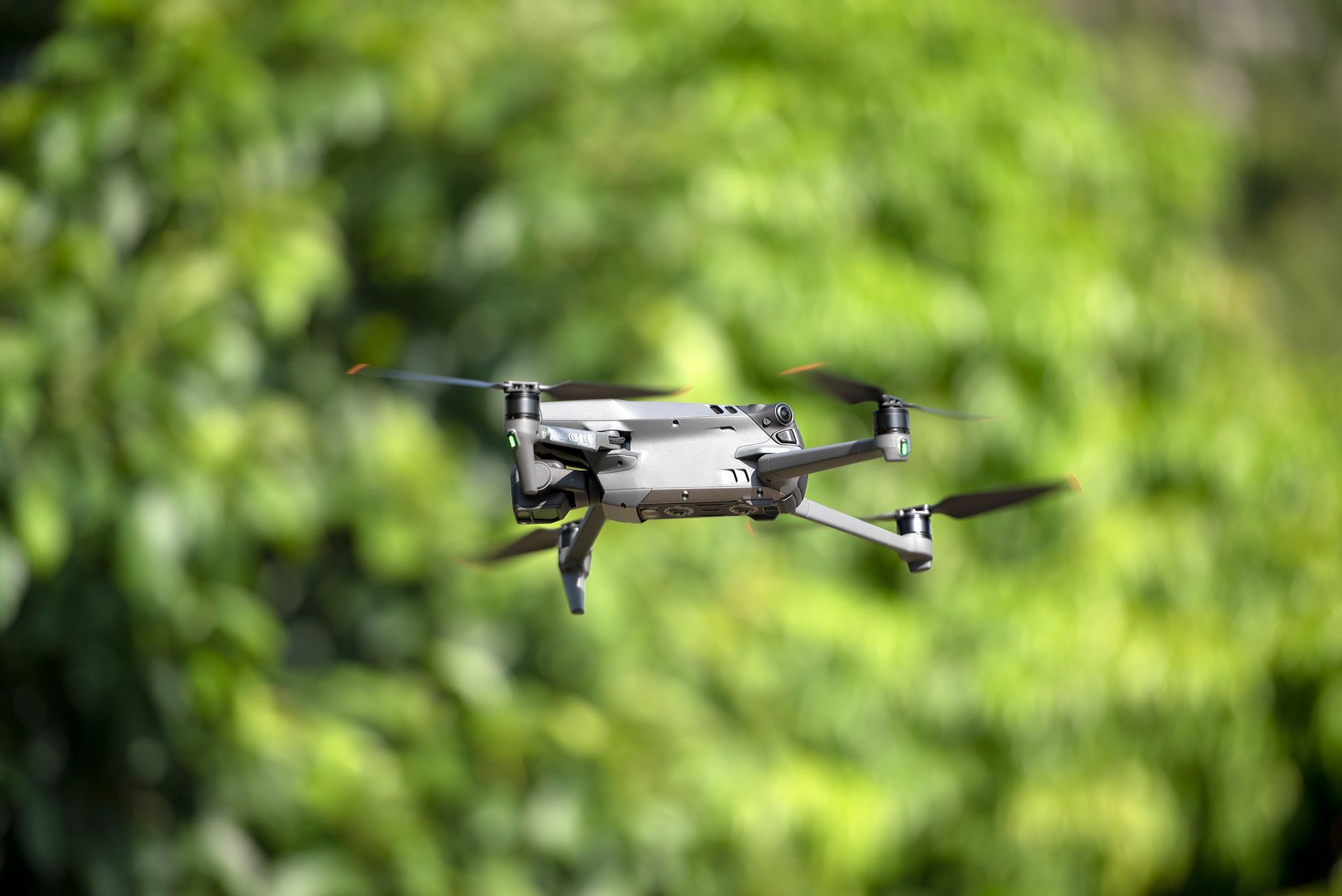
Cartels have long mastered the art of exploiting blind spots in border security, but law enforcement agencies are deploying a new class of countermeasures to level the playing field. Commercial-off-the-shelf unmanned aerial vehicles, once used exclusively for hobbyist photography, have been weaponized and modified by transnational criminal organizations for cross-border surveillance and contraband payload delivery. In response, security forces are turning to specialized anti-drone hardware to neutralize these aerial threats before they can compromise sensitive operations.
The deployment centers around radio frequency jamming and spoofing equipment designed to disrupt the control links between pilots and their quadcopters. When a rogue drone is detected approaching a restricted perimeter, operators can trigger localized signal interference that forces the aircraft to land safely or return to its launch point. Unlike kinetic interventions, which carry collateral risks in populated areas, electronic countermeasures offer a precise method for intercepting illicit hardware without firing a single projectile.
Budget allocations and procurement timelines remain the primary hurdles for widespread municipal and state adoption of these defense packages. Federal agencies possess the necessary clearance and funding for high-end military-grade detection grids, yet local sheriffs departments often navigate bureaucratic delays to secure compatible tools. Industry analysts project that as modular counter-UAS platforms become more affordable, deployment rates will accelerate across high-risk transit corridors.
Securing airspace against autonomous threats requires a continuous adaptation of hardware and software protocols as cartels experiment with frequency hopping and autonomous flight paths. The cat-and-mouse dynamic between criminal syndicates and defense contractors continues to drive rapid innovation in electronic warfare. Ultimately, stopping these airborne incursions requires a coordinated strategy combining radar tracking, signal intelligence, and ground interdiction units.





Comments