
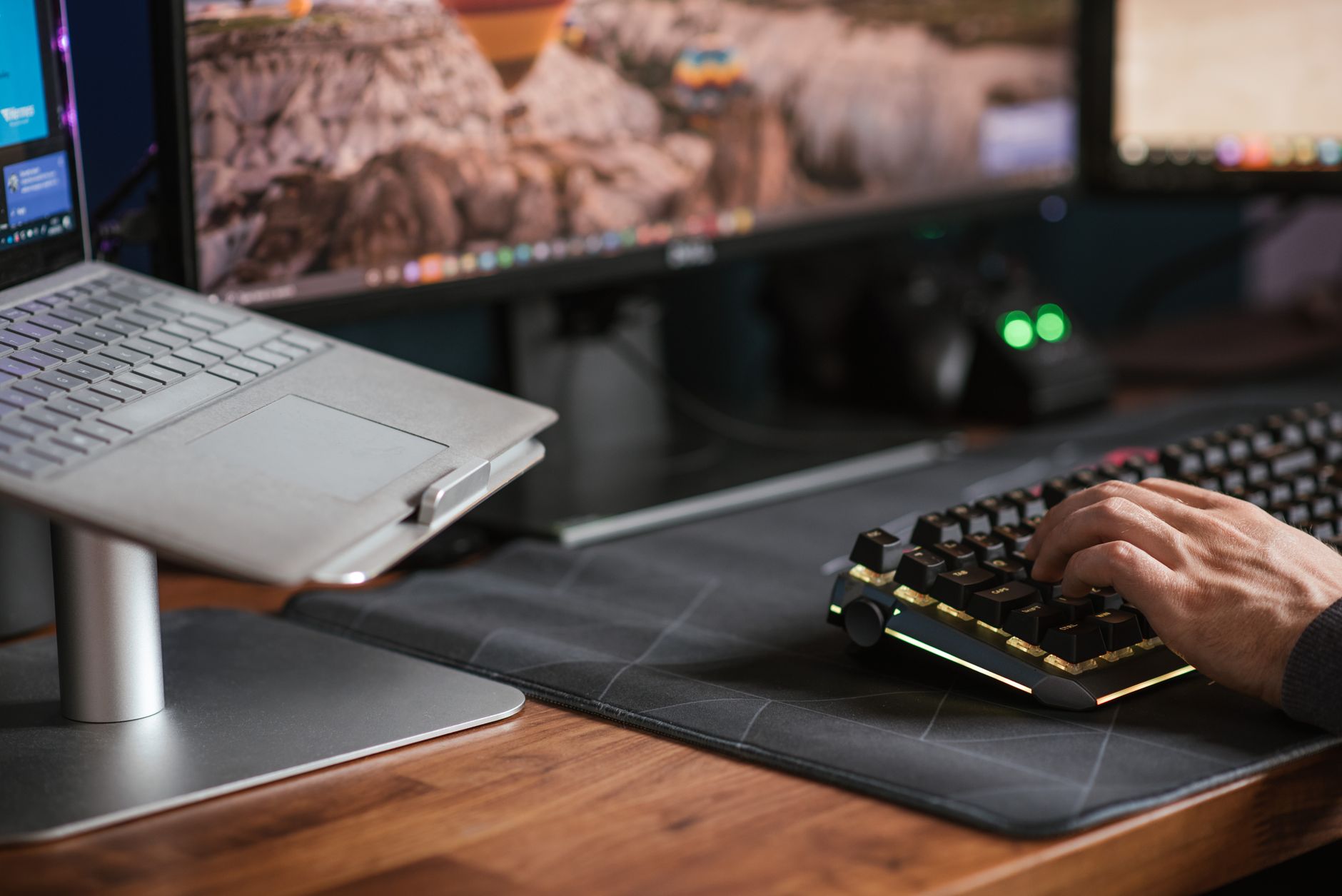
For anyone who spends hours writing daily, a well-designed mechanical keyboard transforms a tedious task into an aesthetically pleasing experience. Devices like the Keychron K2, which first gained traction following a Kickstarter campaign in 2017, have turned tactile typing into a staple of the modern home office. Unlike complex modern electronics, the appeal of these peripherals lies in their straightforward setup. Users simply unbox the device, adjust the tilt legs, and plug it in via a USB cable or connect wirelessly through Bluetooth for a minimalist workspace.
Keychron has expanded far beyond its initial lineup, introducing dozens of variations to cater to different tastes and budgets. The entry-level K2 remains accessible at around $60, while newer iterations push boundaries in design and materials. The company's catalog now features specialized options like the K8 HE Wireless Magnetic Switch Custom Keyboard, which sports an all-wood body and LED backlighting with a price tag near $200. Meanwhile, hardware tailored for specific use cases, such as the C0 HE One-Handed 8K Keyboard built for gaming convenience, demonstrates how the brand continues to diversify its product ecosystem.
Beyond basic functionality, a thriving submarket exists around customization. Users frequently swap out key caps or opt for specific mechanical switches to tailor the tactile feel and distinct auditory clack of each keystroke. This unique sensory feedback has even transcended productivity, finding an unexpected home in online ASMR culture. Ultimately, the enduring popularity of mechanical keyboards comes down to a blend of modern utility and retro nostalgia, offering a workman-like aesthetic reminiscent of a different era of computing.





Comments