
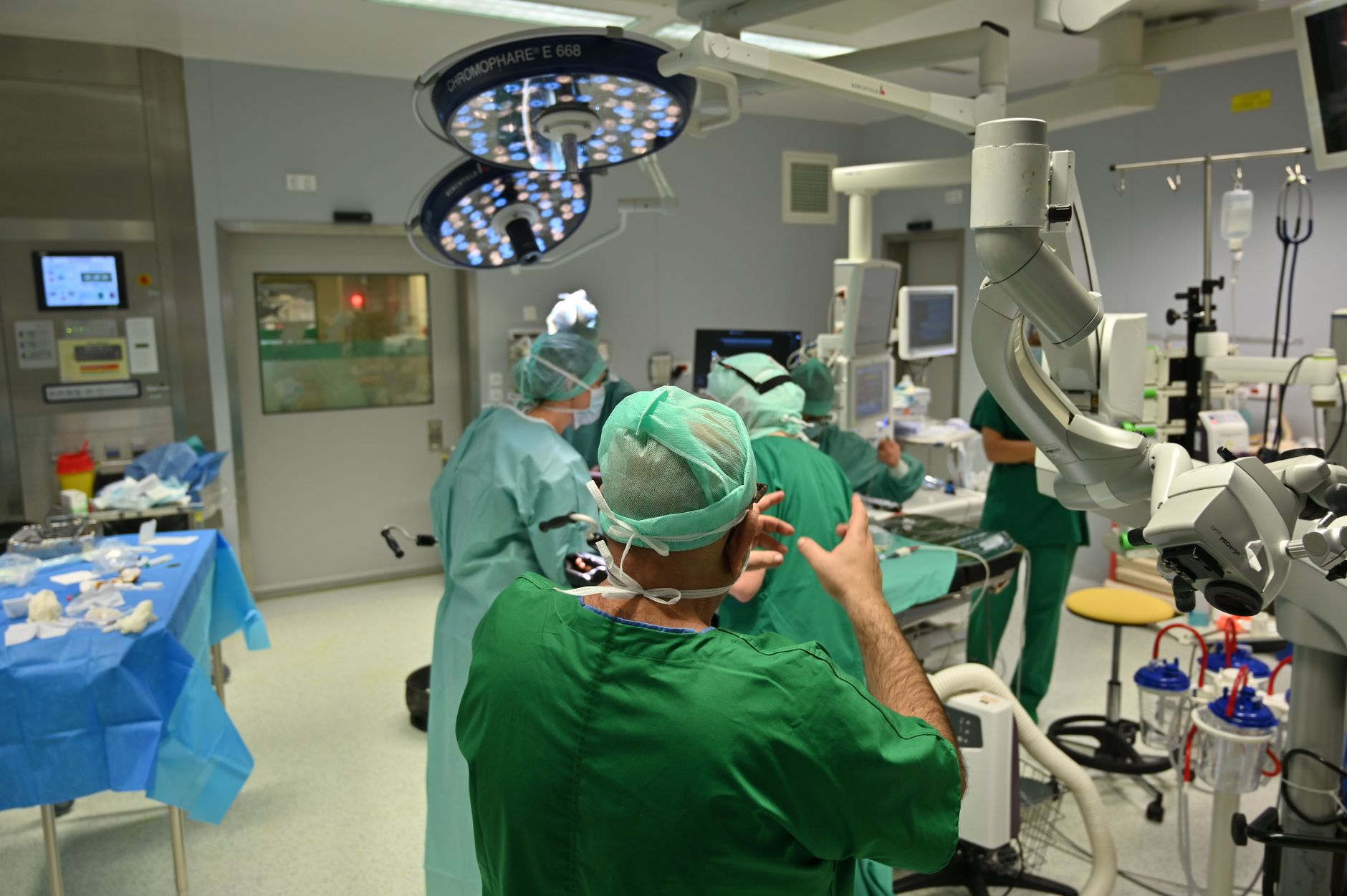
Medical teams at Thomson Hospital are now utilizing handheld robotic systems for knee replacement surgeries, marking a notable shift in how orthopedic procedures are executed across the region. This technology bridges the gap between pre-operative planning and real-time execution, giving surgeons sub-millimeter accuracy when addressing complex joint damage. Traditional methods heavily relied on mechanical alignment guides and the surgeon's line of sight, which occasionally introduced variables in implant placement. By integrating smart handheld tools, the medical staff can dynamically adjust cuts based on live anatomical feedback, reducing tissue trauma and potentially accelerating patient recovery times.
The adoption of computer-assisted surgery highlights a broader push within modern healthcare facilities to minimize human error and standardize patient outcomes. Orthopedic surgery demands extreme precision, as even slight misalignments in a knee implant can lead to premature wear or persistent postoperative discomfort. The robotic platform continuously maps the joint space during the operation, locking the cutting tool parameters to prevent any deviation from the surgeon's custom-tailored plan. Patients undergoing these procedures often experience less blood loss and shorter hospital stays compared to traditional open surgeries.
Medical technology manufacturers anticipate that the success of these handheld systems will drive further hospital acquisitions throughout Asia as facilities compete to offer minimally invasive treatments. While the initial investment in robotic hardware and specialized training remains substantial, clinics view these tools as essential for attracting patients seeking advanced medical care. As software algorithms become more sophisticated and hardware scales down in size, robotic assistance is quickly transitioning from a luxury offering to the baseline standard for orthopedic care globally.





Comments