
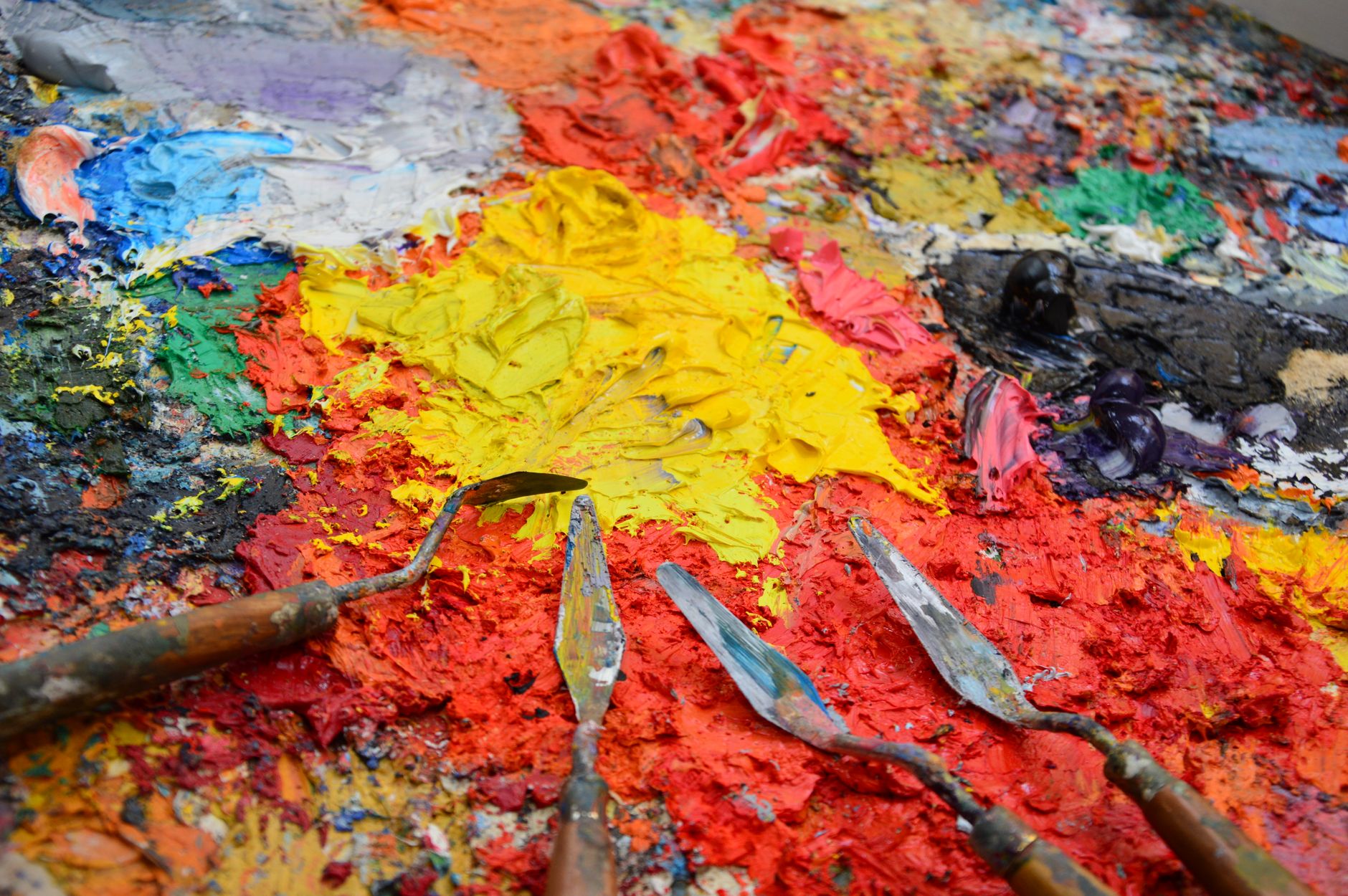
Synthetic media is reshaping the economics of creativity faster than any movement since the invention of photography. While algorithms generate breathtaking illustrations and oil-style portraits in fractions of a second, a counter-movement is quietly taking shape in high-end galleries and digital marketplaces. Buyers are increasingly demanding proof of human origin, establishing a distinct pricing tier known in the trade as the human premium. This sudden valuation shift highlights a deep psychological paradox. The easier it becomes to simulate human expression digitally, the more consumers crave the friction, flaws, and lived experience embedded in physical craftsmanship.
Art dealers report that provenance has evolved from a matter of historical interest into the primary driver of value. Collectors want to see sketchbooks, studio visits, and video documentation proving that a piece took weeks of manual labor. This trend mirrors what happened to mechanical watches after the quartz crisis or vinyl records in the age of streaming. When mass production reaches a point of absolute perfection, imperfection becomes the ultimate luxury. Yet, maintaining this human premium presents formidable challenges as synthetic tools become indistinguishable from traditional workflows. Once AI assistants are integrated into every stage of painting, sculpture, and design, drawing a hard line between artificial and organic creation will require entirely new verification frameworks.
Artists navigating this dual reality face a complex market. Some creators leverage automated tools to scale their output, while others lean heavily into the tangible, tactile nature of their medium to justify steep prices. The coming years will test whether this valuation gap remains sustainable or if consumer fatigue eventually flattens the distinction. If authenticity remains the ultimate status symbol, human artists may find themselves charging more precisely because their work takes time, effort, and mortal vulnerability.





Comments