
New trials deploying advanced artificial intelligence to monitor roadways have captured a startling volume of traffic violations, exposing widespread disregard for basic safety laws. Transport authorities analyzing the initial data described the findings as profoundly concerning, highlighting persistent habits like illegal phone usage and failure to wear seatbelts behind the wheel. Traditional policing methods have long struggled to monitor these infractions at scale, but machine vision systems are changing that equation entirely.
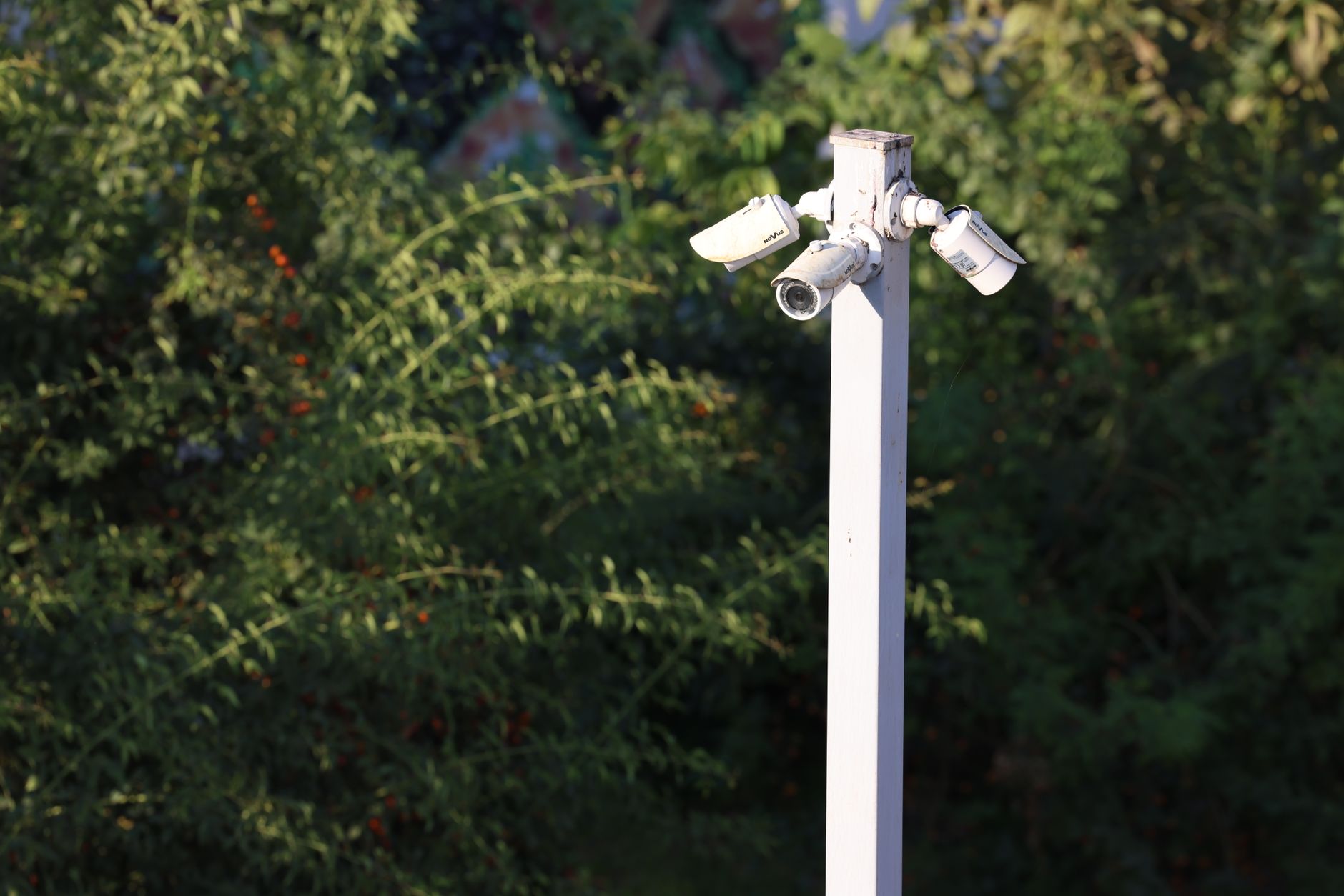
The pilot program relies on high-resolution camera hardware paired with edge-computing deep learning models capable of analyzing driver behavior in real-time. Unlike stationary speed traps, these intelligent units filter through thousands of passing vehicles per hour, instantly flagging anomalies such as glowing screens positioned near the steering wheel or missing restraints. Municipalities testing the technology note that the automated pipeline dramatically reduces the man-hours required to review footage and issue penalties, shifting enforcement from reactive stops to continuous digital oversight.
Privacy advocates have naturally raised questions regarding the constant recording of motorists, pressing lawmakers to establish strict retention limits and transparent data governance frameworks. Despite these pushbacks, transportation safety boards are leaning into the results, arguing that the sheer volume of dangerous driving caught on camera justifies a broader rollout. As cities worldwide look for technological fixes to rising traffic fatalities, this trial signals a permanent shift toward algorithmic policing on our public roads.
AI Traffic Cameras Catch Thousands of Drivers Flouting Road Rules in New Trial





Comments