
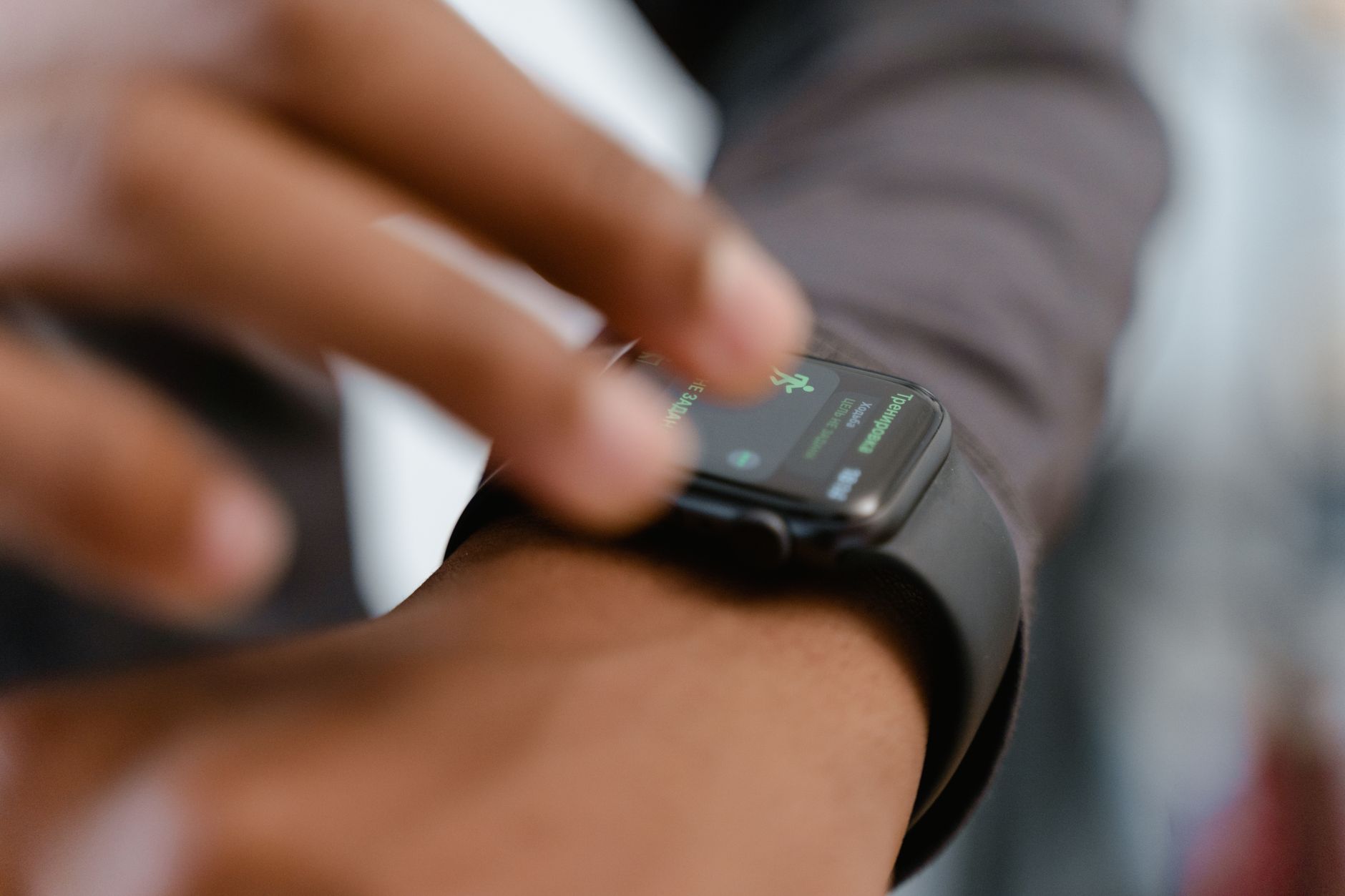
Google has steadily revived its focus on fitness trackers, introducing two distinct budget-friendly options under the Fitbit brand. The ninety-nine-dollar Fitbit Air arrived in May as a screenless, Whoop-style competitor, while the one-hundred-seventy-nine-dollar Fitbit Edge launched in October as a half-step between affordable trackers and the Pixel Watch 5. Both devices integrate AI-powered capabilities without locking users strictly into the Android ecosystem, though unlocking their full potential requires a subscription to Google Health Premium.
Despite sharing software roots, the physical form factors of the two wearables diverge significantly. The Fitbit Air functions primarily as a sensor puck measuring 1.37 by 0.66 by 0.32 inches, requiring users to manage nearly all interactions through the Google Health companion app. In contrast, the larger Fitbit Edge incorporates a 1.34-inch oval AMOLED touchscreen and a mechanical side button, offering on-device data visualization, phone notifications, and a lightweight version of Google Maps.
Sensor arrays also create a clear functional gap between the two models. While both include standard optical heart rate monitors, the Edge adds electrical sensors for ECG readings, an altimeter for tracking elevation gains, and an ambient light sensor. Both trackers carry IP68 and 5ATM water and dust resistance ratings, but battery performance varies based on usage. The Air delivers up to seven days of battery life, whereas the Edge achieves a similar seven-day duration only when its always-on display feature is disabled. Enabling always-on functionality reduces the Edge's battery life to roughly two days, though fast-charging capabilities provide a full day of power from a fifteen-minute charge.
Core wellness features remain largely consistent across both wearables, including daily readiness scores, cardio load insights, sleep tracking, and continuous heart rate monitoring. However, the hardware advantages of the Fitbit Edge allow it to process live workout metrics on-device and track physical attributes like floors climbed, separating it from the discreet, screenless design philosophy of the Fitbit Air.





Comments