
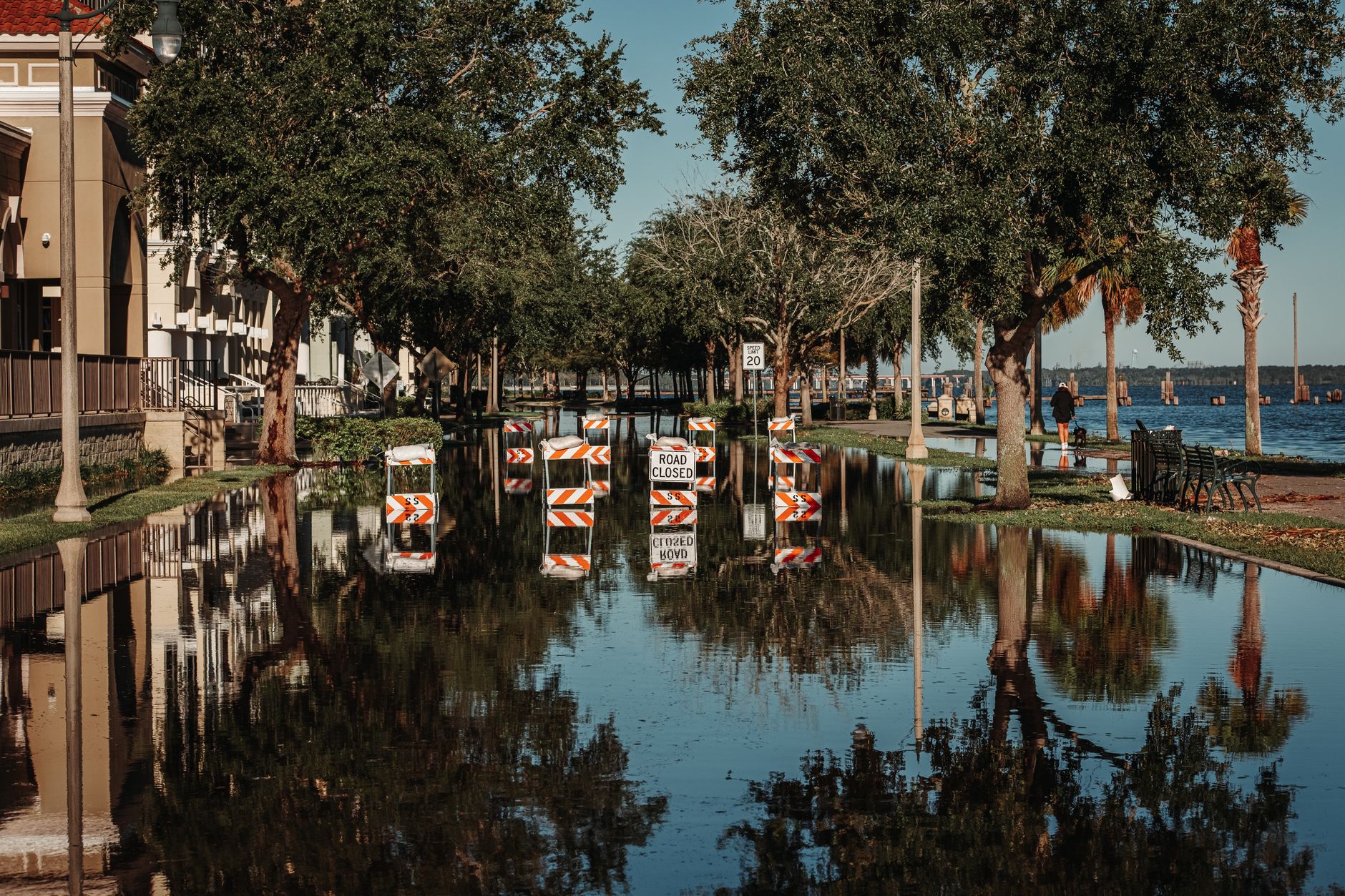
Commuter roads and dry asphalt transformed into two-foot-deep tide pools across Northern California this week, as record-breaking October tides flooded areas from San Pablo Bay down to Monterey. The National Weather Service warns that these coastal hazards will persist throughout the month, disrupting traffic and stranding motorists in low-lying neighborhoods. Local news outlets captured footage of residents navigating flooded streets by kayak near Highway 101, highlighting the immediate vulnerability of coastal infrastructure.
This week's flooding was driven by routine spring tides pushed roughly one foot above normal levels. Researchers point out that the situation will escalate significantly once winter storms and the year's highest king tides arrive alongside a powerful El Niño system. Oceanographers caution that large wave events coinciding with seasonal high tides could bring water levels two to three feet above current marks, putting critical transit hubs like the San Francisco International Airport and stretches of U.S. Route 101 at risk.
Beyond structural damage, emergency personnel are sounding alarms over the hidden hazards posed to modern vehicles. Saltwater submersion severely corrodes lithium-ion battery packs, creating risks of self-sustaining thermal runaway fires in electric vehicles commonly found throughout the region. With studies projecting potential economic damages reaching millions of dollars daily from infrastructure failures like levee breaches along State Route 37, researchers emphasize that aggressive state and federal intervention remains vital to prevent widespread catastrophe.





Comments