
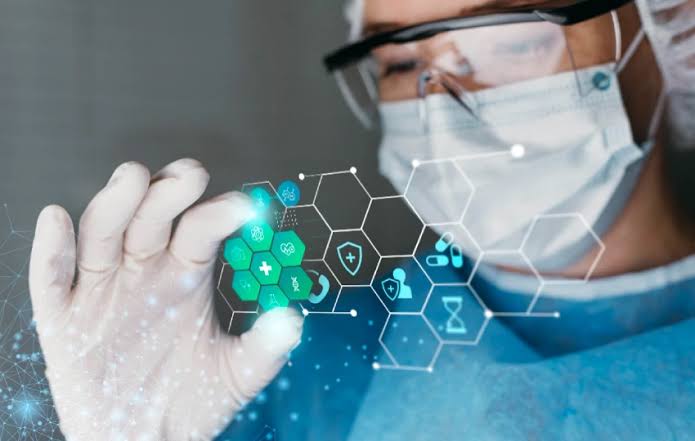
Artificial intelligence is revolutionizing healthcare diagnostics by enabling faster, more accurate, and more efficient disease detection across a wide range of medical specialties. Healthcare providers are increasingly adopting AI-powered diagnostic tools to support clinical decision-making, improve patient outcomes, and address growing demands on healthcare systems worldwide.
Recent advancements in machine learning, deep learning, and large-scale medical data analysis have significantly improved the ability of AI systems to identify diseases at earlier stages. These technologies can analyze complex medical information, recognize subtle patterns, and provide insights that may be difficult for humans to detect consistently.
Medical imaging remains one of the most impactful applications of AI in diagnostics. AI-powered systems can examine X-rays, CT scans, MRIs, ultrasounds, and other imaging data with remarkable precision. By identifying abnormalities such as tumors, fractures, cardiovascular conditions, and neurological disorders, AI assists radiologists in making more accurate diagnoses while reducing interpretation time.
Early disease detection is a major benefit of AI-driven diagnostics. Machine learning models can identify warning signs of conditions such as cancer, diabetes, heart disease, and respiratory illnesses before symptoms become severe. Earlier diagnosis often enables more effective treatment plans and improves long-term patient outcomes.
Healthcare organizations are also using AI to analyze electronic health records, laboratory results, genetic information, and patient histories. By combining multiple data sources, intelligent systems can generate comprehensive assessments that support physicians in evaluating risks and making informed treatment decisions.
Personalized medicine is gaining momentum through AI-enabled diagnostics. Advanced algorithms can evaluate individual patient characteristics, genetic profiles, and treatment responses to recommend tailored healthcare strategies. This personalized approach helps improve treatment effectiveness while minimizing potential side effects.
AI-powered diagnostic tools are also enhancing efficiency within healthcare facilities. Automated analysis reduces administrative burdens and enables clinicians to focus more time on patient care. Faster diagnostic workflows can help hospitals manage growing patient volumes while improving overall service quality.
In pathology, AI systems are assisting specialists in examining tissue samples and identifying disease markers with greater consistency. These technologies support more precise diagnoses and help reduce variability in clinical assessments, contributing to higher diagnostic reliability.
Remote healthcare services are benefiting from AI-driven diagnostic capabilities as well. Telemedicine platforms increasingly integrate intelligent assessment tools that help healthcare professionals evaluate patients remotely, expanding access to quality healthcare in underserved and rural regions.
Despite significant progress, healthcare experts emphasize that AI is designed to augment rather than replace medical professionals. Human oversight remains essential for interpreting results, validating recommendations, and ensuring that patient care decisions consider broader clinical and ethical factors.
Regulatory agencies and healthcare organizations continue to focus on ensuring the safety, transparency, and reliability of AI-powered diagnostic systems. Robust validation processes, clinical testing, and ongoing monitoring are critical for maintaining trust and achieving consistent performance in real-world healthcare environments.
Industry analysts expect continued investment in AI healthcare technologies as providers seek innovative solutions to improve diagnostic accuracy and operational efficiency. Advances in medical imaging, predictive analytics, genomics, and multimodal AI are likely to further expand the capabilities of intelligent diagnostic systems.
As artificial intelligence becomes more deeply integrated into healthcare, AI-driven diagnostics are playing a vital role in improving disease detection, accelerating clinical workflows, and supporting better patient outcomes. The technology is helping create a future where healthcare decisions are more precise, proactive, and data-driven.





Comments