
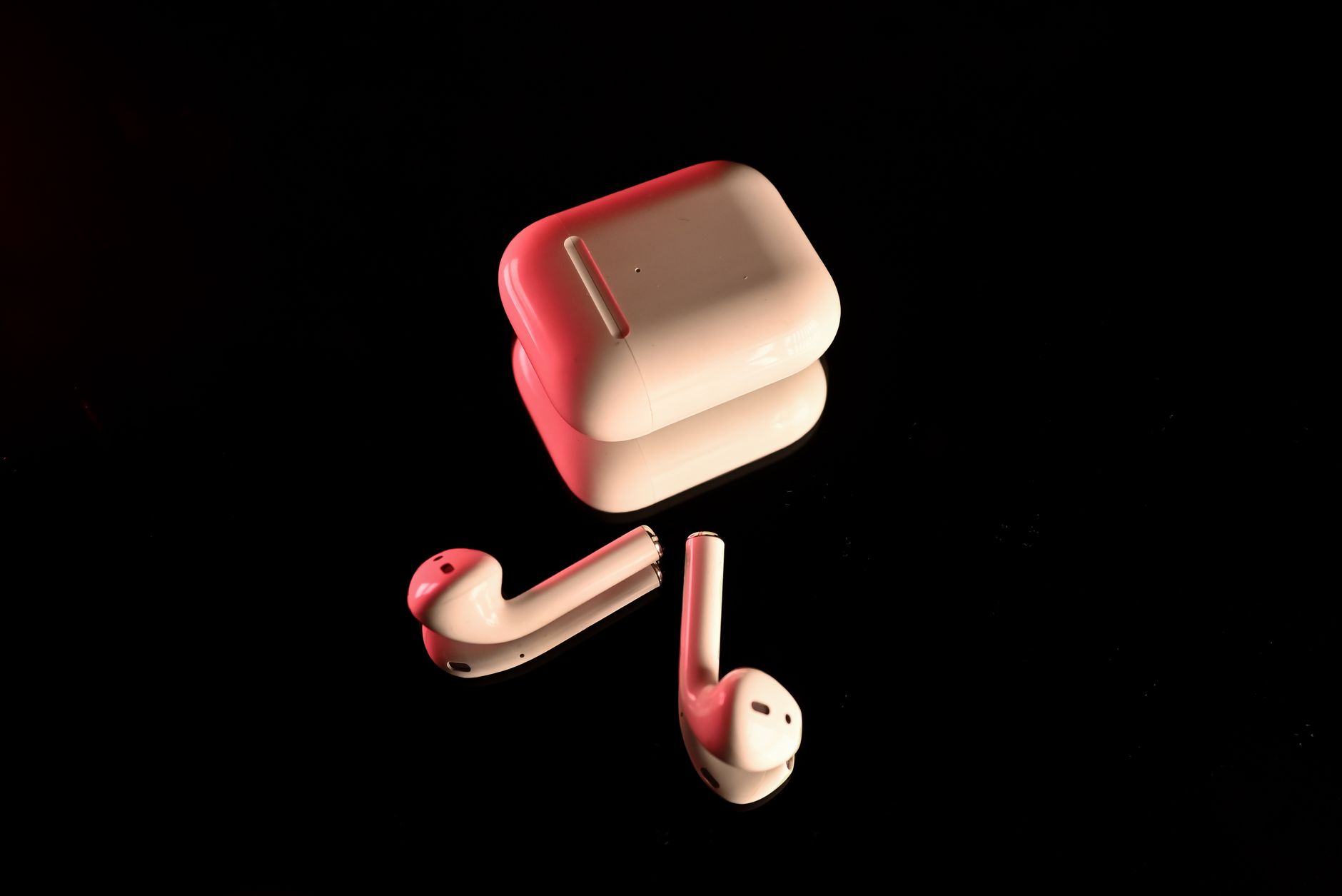
One of the persistent hardware challenges manufacturers face with wireless earbuds centers on battery longevity, and Apple's lineup is no exception. Lithium-ion power cells inside devices like AirPods typically endure roughly 300 to 500 charge cycles before significant degradation takes hold, which usually spans about two to three years of regular use. When listening times start dropping dramatically before reaching this stage, users need to evaluate Apple's baseline battery ratings for their specific hardware.
Leaving wireless earbuds outside of their charging case continuously drains power because each bud remains connected to a device or actively searches for a connection. Furthermore, heavy power usage stems from active features like Spatial Audio and Active Noise Cancellation. While these options elevate the listening experience, they continuously draw extra energy and reduce overall listening time. Turning off ANC and Spatial Audio in quiet environments helps conserve remaining power, though it typically only yields modest gains.
Physical maintenance often dictates whether a pair of earbuds charges properly in the first place. Accumulations of dust, lint, or earwax can block tiny contact points inside the charging case, preventing the circuit from closing and leaving one earbud uncharged. Owners can diagnose this by checking uneven charge percentages on their iPhone. Cleaning requires gentle methods, such as a lint-free cloth, a cotton swab with isopropyl alcohol applied sparingly, or a soft-bristled brush with micellar water, avoiding sharp objects that can damage delicate components.
When hardware glitches persist, resetting the earbuds offers a reliable troubleshooting step. Users can remove the device via iPhone Bluetooth settings and reconnect them fresh. For long-term health, enabling Optimized Battery Charging helps the system learn daily routines and reduces time spent at maximum capacity. Finally, owners with AppleCare+ coverage can utilize battery service at no extra charge if the internal capacity drops below 80 percent of its original specification.





Comments