
When Microsoft launched the Xbox Series X in late 2019, the new console arrived with an updated gamepad that retained a familiar feature: a pair of AA batteries. By that point, Sony and Nintendo had long since transitioned to internal rechargeable batteries for their standard controllers. Yet Microsoft has stubbornly stuck to replaceable cells, maintaining a design choice that dates back to the Xbox 360 era.
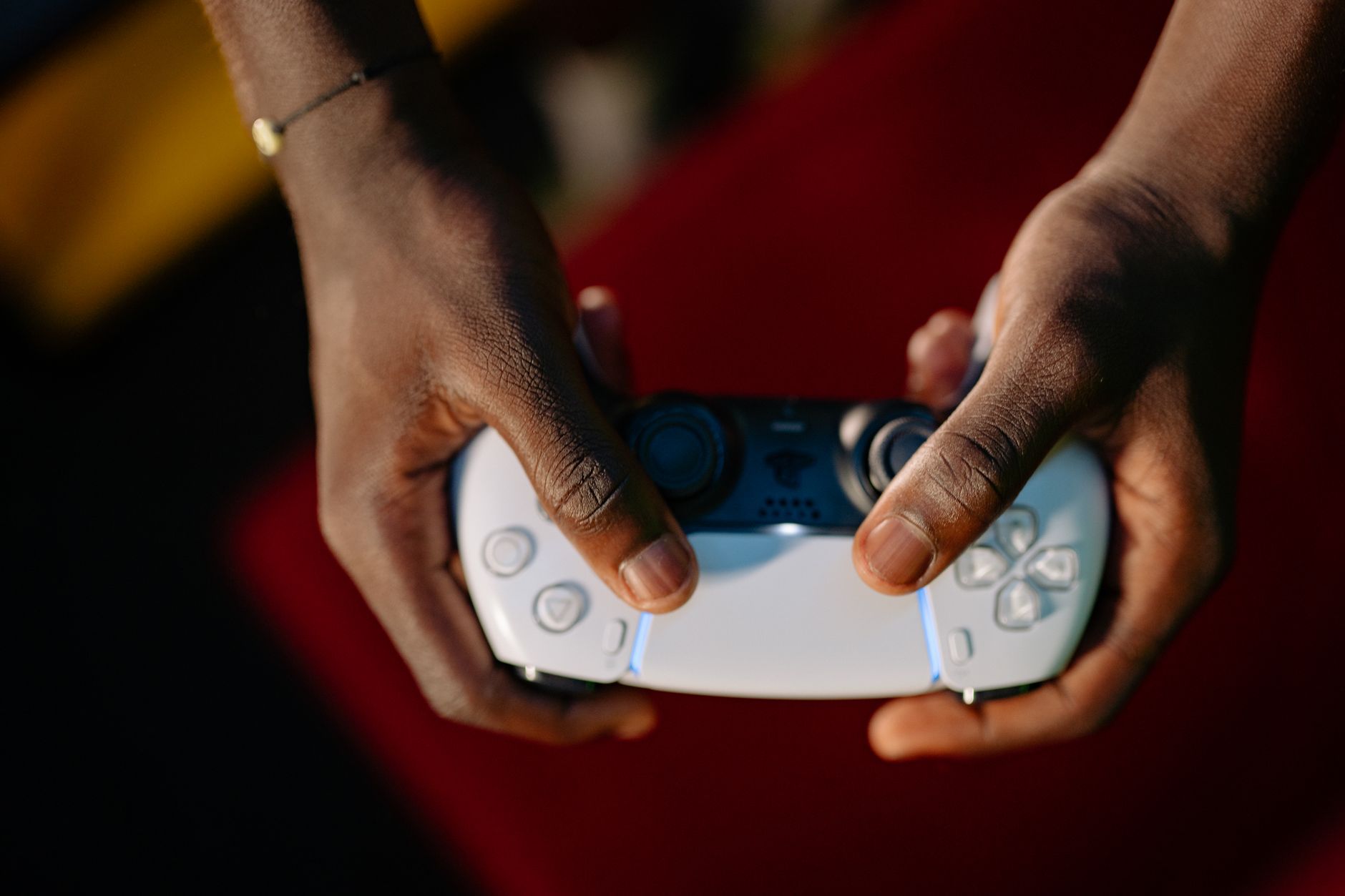
The decision is not an oversight, but rather a calculated response to a deeply divided gaming community. Internal discussions at Xbox and industry panels reveal that players are split roughly fifty-fifty on the matter. One camp argues that internal rechargeable packs are superior because controllers can simply sit on a charging dock between sessions. Conversely, an equally vocal group prefers AA batteries, noting that swapping in a fresh pair takes seconds compared to being tethered by a charging cable mid-game.
Microsoft frames this approach as a matter of consumer choice and hardware longevity. While standard controllers ship with disposable batteries, the company also sells a separate rechargeable pack for users who prefer that workflow. Furthermore, this modular approach sidesteps a common hardware failure point: when internal lithium-ion batteries degrade past their lifespan, owners of competing consoles often have to purchase entirely new controllers.
Although persistent rumors have long linked Microsoft to battery manufacturers like Duracell through marketing partnerships, the tech giant maintains that player flexibility remains its primary objective. As long as the gaming audience remains deadlocked on the debate, the classic AA battery will likely remain a fixture of the Xbox ecosystem.
Why Xbox Still Ships Its Controllers With AA Batteries



Comments