
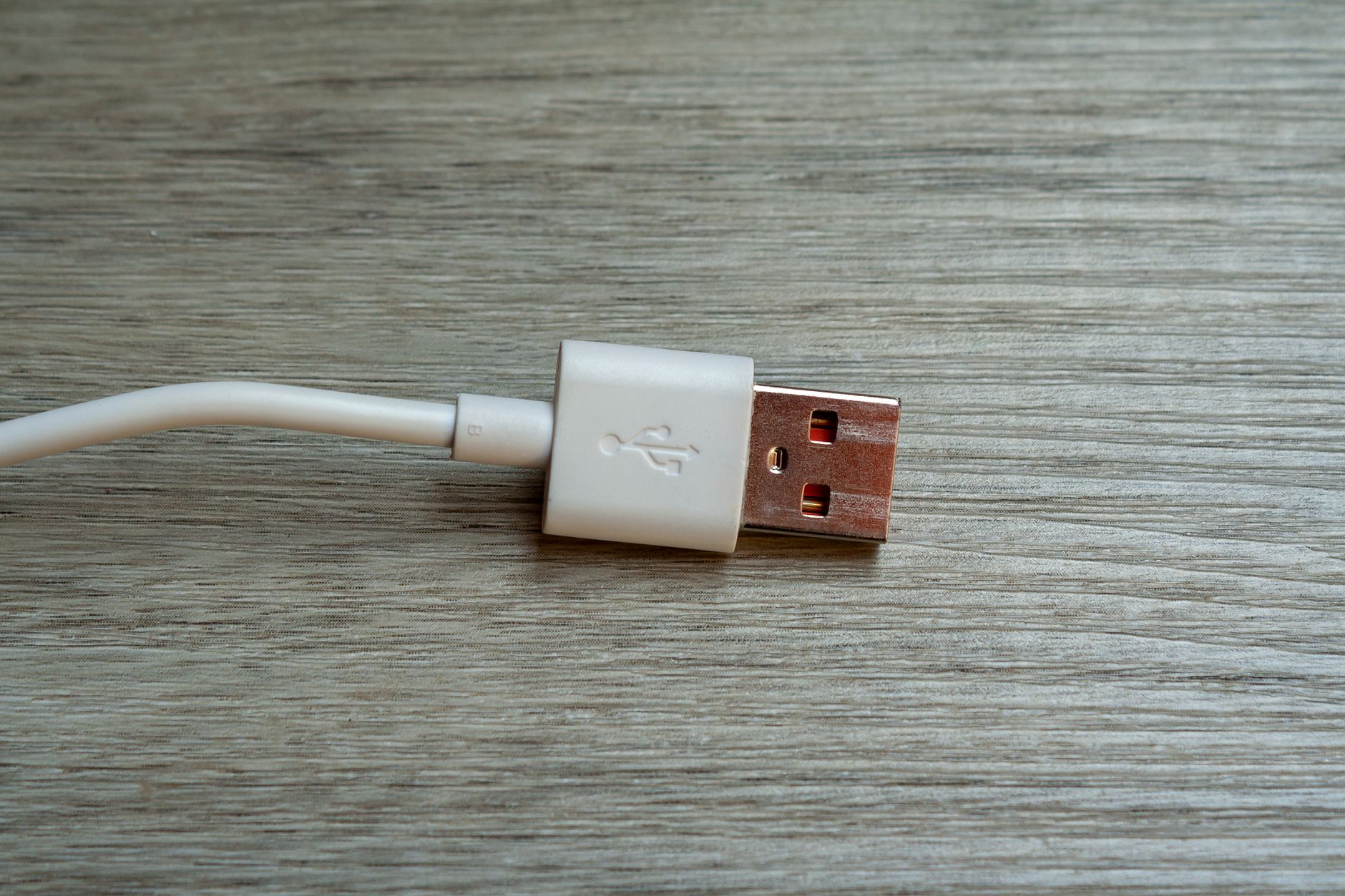
Shopping for a USB-C cable that can withstand moisture requires looking past simple marketing claims and checking for a formal certification. While standard USB-C connectors are versatile and complex—packing 24 individual contacts compared to the older USB-A standard—the baseline specification does not guarantee water resistance. Exposing a standard cable to liquids can trigger short circuits, accelerate contact corrosion, or even cause dangerous overheating.
Reliable waterproof cables rely on the International Electrotechnical Commission standard, universally known as the IEC 60529 Ingress Protection code. This system uses a two-digit rating where the first digit measures dust defense and the second indicates liquid resistance. Buyers searching for genuine waterproof protection should look specifically for an IP67 or IP68 designation. An IP67 rating indicates dust tightness and the ability to survive submersion up to one meter for thirty minutes, whereas IP68 handles continuous immersion beyond one meter depending on the manufacturer.
Manufacturers typically achieve this level of protection using silicone rubber seals, gaskets, threaded bayonet couplings, or rugged synthetic materials like neoprene and fluoroelastomer. Brands such as Atlavox, Yale, and L-Com offer various options ranging from basic ten-dollar accessories to heavy-duty industrial builds. Experts caution that users should never plug a wet cable into a device. If a cable gets wet, the safest approach involves shaking out excess liquid and allowing it to air dry for 24 to 48 hours without using a hair dryer or rice.





Comments