
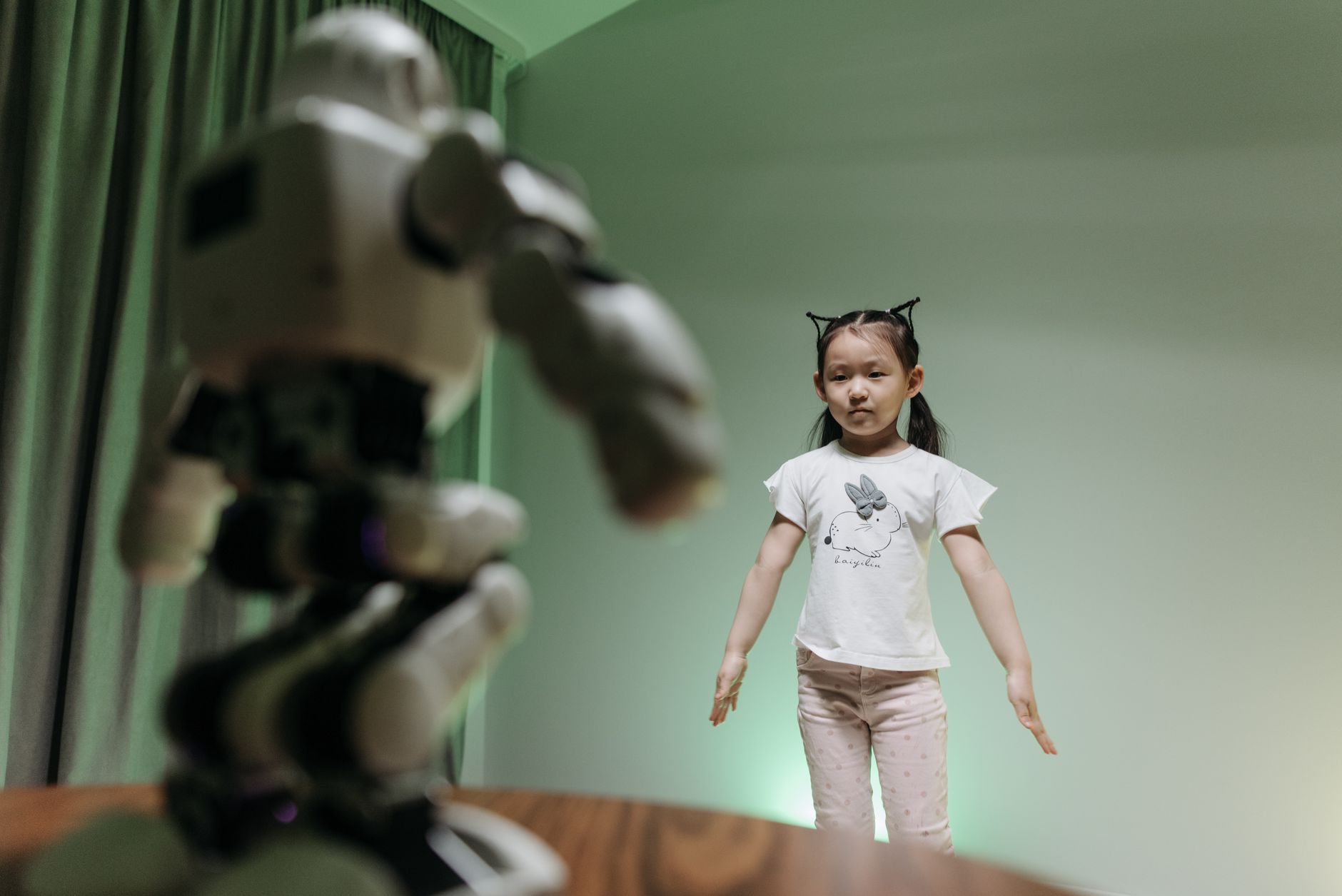
Google and NASA have joined forces to develop an experimental robotic medical assistant designed to support astronauts during long-duration, deep-space expeditions. The initiative combines Google's technological infrastructure with expertise from NASA's Human Research Program, the Johnson Space Center robotics team, and the Jet Propulsion Laboratory to build automated support for future crewed spaceflights.
Future deep-space missions to destinations like Mars will face severe operational challenges, including round-trip communication delays of up to 44 minutes. These communication gaps make immediate real-time consultation with Earth-based medical teams impossible during critical health emergencies. Building on the Crew Medical Officer Digital Assistant—an AI support evaluation ongoing since 2025—the new robotic project aims to give astronauts a physical helper to manage cargo, equipment, and basic medical support under human supervision.
During early laboratory trials, the robot achieved an 85% success rate in locating and retrieving a medical bag. The system is designed to handle practical tasks, such as fetching ultrasound equipment for an astronaut experiencing severe pain, while leaving diagnosis and treatment choices entirely to human medical officers. Alongside healthcare tasks, the machine is intended to pivot toward routine maintenance, cargo management, and securing compartments to maximize efficiency for lean flight crews.
The collaborative project remains strictly a proof of concept at this stage. Researchers are utilizing navigation tech from the Jet Propulsion Laboratory and DeepMind's MuJoCo physics simulator to test movement and object handling before considering deployment. While early laboratory demonstrations show promise, a fully integrated, space-ready robotic system has not yet been finalized, and further testing remains essential.



Comments