
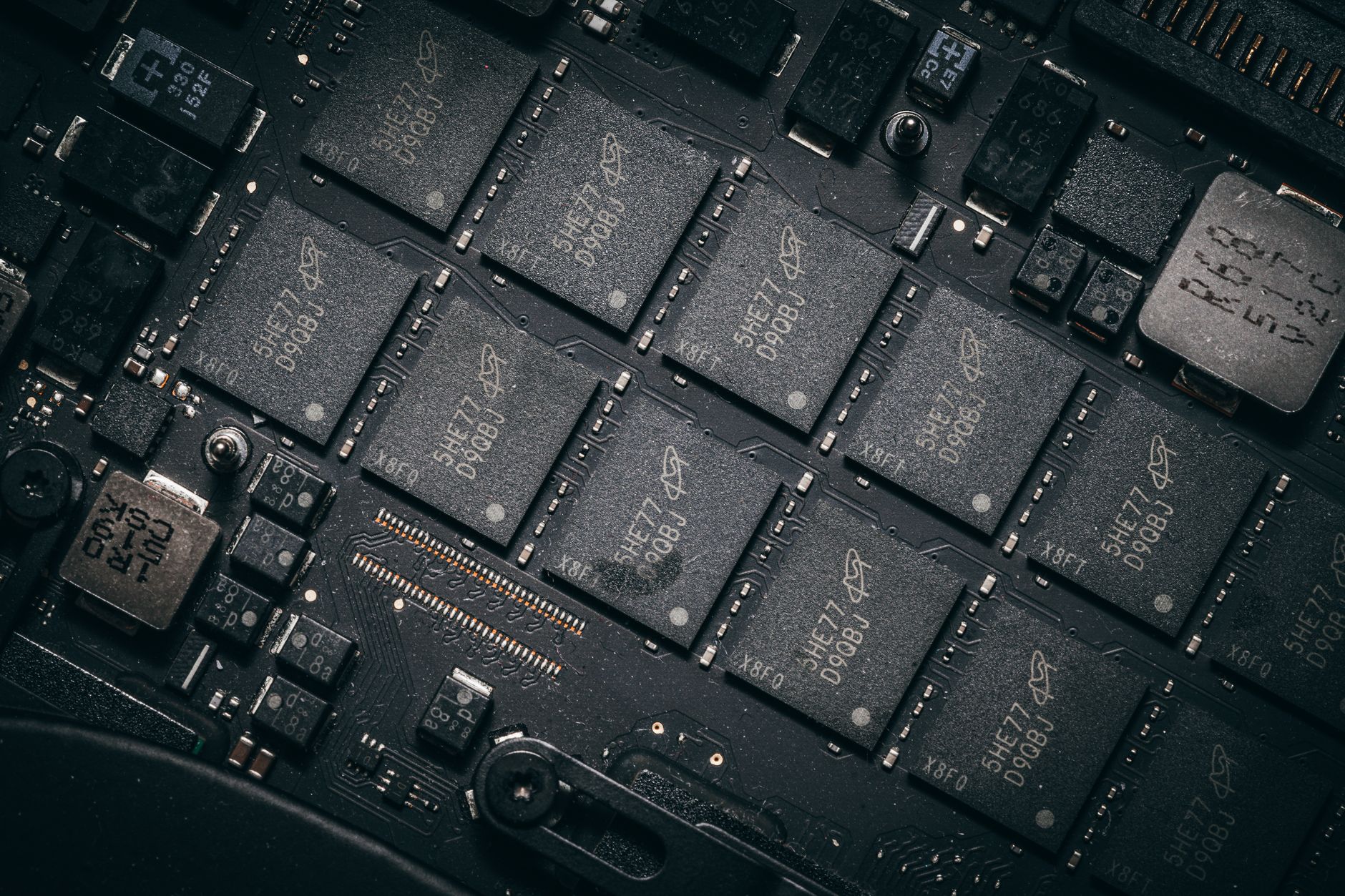
Macronix, the primary manufacturer behind the high-density ROM chips used in Nintendo Switch cartridges, is winding down its involvement in this specialized sector. For years, the Taiwanese semiconductor firm served as an invisible yet critical backbone for physical Nintendo releases, engineering the custom flash memory configurations required to store large game files on tiny, durable cards. As consumer habits shifted and production demands fluctuated, the long-term partnership began hitting economic roadblocks that neither company could comfortably sustain.
This supply chain shift arrives at a delicate moment for console hardware. While the gaming industry has largely transitioned toward digital distribution, Nintendo maintains a uniquely robust physical market where millions of players still prefer cartridge media. Manufacturing these specialized chips requires proprietary silicon architectures that standard flash memory found in smartphones or SSDs simply cannot replicate without costly redesigns. Finding an alternative foundry capable of matching Macronix's production scale and proprietary specs will take time, capital, and rigorous testing.
Industry analysts suggest the transition could ripple directly down to retail shelves, potentially impacting the production costs of physical games for both Nintendo's current ecosystem and upcoming hardware iterations. If replacement suppliers demand higher margins or require expensive tooling updates, publishers might face tougher economic choices regarding physical print runs. Whether these manufacturing adjustments translate into higher retail price tags for players or accelerate the push toward an all-digital storefront remains the pressing question for the industry.




Comments