
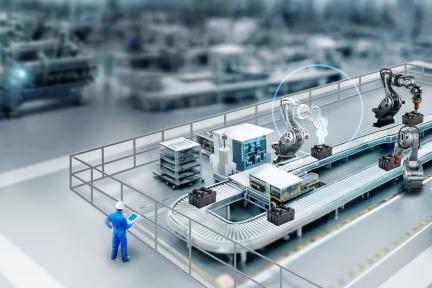
Artificial intelligence is revolutionizing the manufacturing industry by enabling the development of smart factories that combine automation, data analytics, machine learning, and connected technologies. As manufacturers seek to improve productivity, reduce operational costs, and remain competitive in a rapidly evolving market, AI-powered smart factories are emerging as a key driver of industrial transformation.
Smart factories leverage AI, Industrial Internet of Things (IIoT) devices, robotics, cloud computing, and advanced analytics to create highly connected production environments. These technologies enable real-time monitoring, intelligent decision-making, and automated processes that significantly improve manufacturing efficiency and operational performance.
One of the most impactful applications of AI in manufacturing is predictive maintenance. Machine learning algorithms analyze data from sensors embedded in machinery and equipment to identify early signs of wear, malfunction, or failure. By predicting maintenance needs before breakdowns occur, manufacturers can reduce downtime, extend equipment lifespan, and minimize repair costs.
AI-powered quality control systems are also improving product consistency and reliability. Advanced computer vision technologies can inspect products at high speed, detect defects with exceptional accuracy, and ensure compliance with quality standards. These systems reduce human error while increasing production throughput and customer satisfaction.
Production planning and scheduling have become more efficient through AI-driven optimization. Intelligent systems can analyze demand forecasts, inventory levels, workforce availability, and machine capacity to create optimized production schedules. This helps manufacturers maximize resource utilization and respond more effectively to changing market conditions.
Robotics integrated with artificial intelligence is transforming factory operations. Smart robots can perform repetitive, complex, and hazardous tasks with greater precision and speed. Collaborative robots, or cobots, work alongside human employees, enhancing productivity while improving workplace safety and operational flexibility.
Supply chain management is another area benefiting from AI-powered manufacturing technologies. Machine learning models can predict demand fluctuations, optimize inventory management, identify supply chain risks, and improve logistics planning. These capabilities help manufacturers reduce waste, lower costs, and maintain smoother production workflows.
Energy efficiency has become a major focus for smart factories. AI systems continuously monitor energy consumption across production facilities and identify opportunities to reduce waste and improve sustainability. Intelligent energy management helps organizations lower operating costs while supporting environmental goals.
Digital twins are gaining popularity within advanced manufacturing environments. These virtual replicas of physical assets, machines, and production lines allow manufacturers to simulate processes, test improvements, and predict outcomes before implementing changes in real-world operations. AI enhances digital twins by providing predictive insights and performance recommendations.
Worker safety is also improving through AI-powered monitoring systems. Smart sensors and computer vision technologies can identify potential hazards, monitor compliance with safety protocols, and provide real-time alerts to prevent accidents. These systems contribute to safer working environments and reduced operational risks.
The integration of generative AI into manufacturing workflows is creating new opportunities for innovation. Engineers can use AI-assisted design tools to develop optimized products, improve production processes, and accelerate research and development initiatives. These capabilities help companies bring new products to market more quickly.
Manufacturers across automotive, aerospace, electronics, pharmaceuticals, consumer goods, and heavy industries are increasingly investing in AI-driven factory modernization. These investments are enabling organizations to improve productivity while adapting to growing customer expectations and market demands.
Despite the benefits, challenges remain in implementing smart factory technologies. High initial investment costs, workforce training requirements, cybersecurity concerns, and system integration complexities can slow adoption. However, advancements in AI platforms and industrial automation technologies are making implementation more accessible for manufacturers of all sizes.
Industry experts predict that smart factories will continue to evolve as AI models become more sophisticated and connected ecosystems expand. Future manufacturing environments are expected to feature greater autonomy, real-time decision-making, advanced robotics, and deeper integration between physical and digital systems.
As Industry 4.0 continues to gain momentum, AI-powered smart factories are becoming essential for modern manufacturing success. By improving efficiency, enhancing quality, optimizing resources, and supporting innovation, intelligent manufacturing technologies are helping shape the future of global industry.





Comments