
Machine Learning (ML) is bringing a new level of intelligence to smart devices, transforming how consumers interact with technology in their homes, workplaces, and daily routines. By enabling devices to learn from user behavior, analyze data in real time, and make intelligent decisions, machine learning is driving the next generation of connected experiences across consumer electronics, healthcare, transportation, and enterprise environments.
As the number of connected devices continues to grow worldwide, manufacturers are increasingly integrating machine learning capabilities into smartphones, wearables, smart home systems, security solutions, and IoT devices. These intelligent technologies allow devices to become more adaptive, responsive, and personalized, enhancing convenience and user satisfaction.
Smartphones are among the leading beneficiaries of machine learning innovation. ML-powered features improve camera performance, voice recognition, battery optimization, predictive text, facial recognition, and personalized recommendations. By continuously learning from user interactions, smartphones can deliver more efficient and customized experiences.
Smart home devices are becoming increasingly intelligent through machine learning algorithms. Smart speakers, thermostats, lighting systems, security cameras, and home appliances can analyze usage patterns and automate routine tasks. These capabilities help improve energy efficiency, security, comfort, and overall home management.
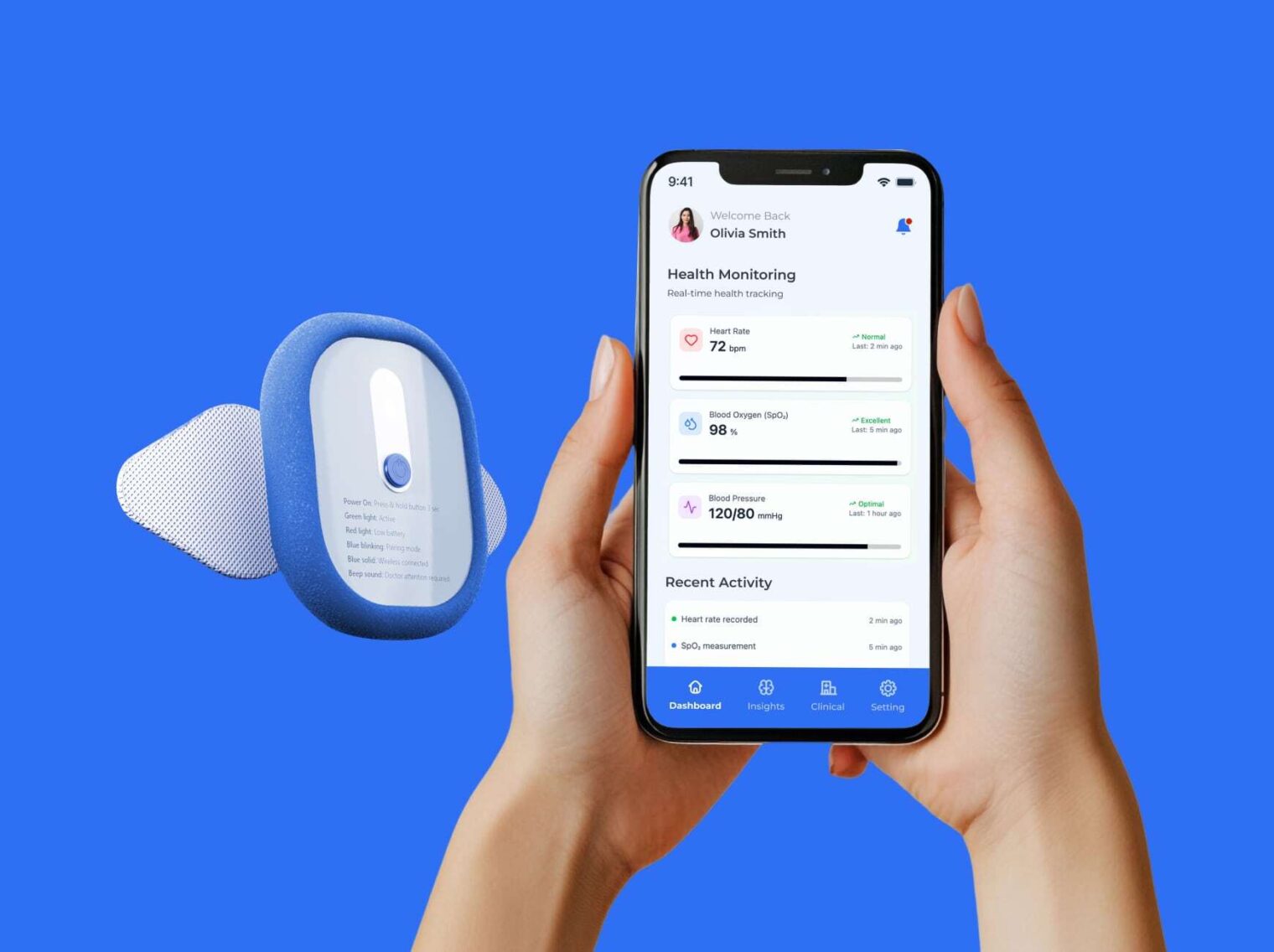
Wearable devices are leveraging machine learning to provide advanced health and fitness monitoring. Smartwatches and fitness trackers can analyze physical activity, heart rate, sleep quality, stress levels, and other wellness indicators to generate personalized insights and recommendations. These technologies are supporting healthier lifestyles and proactive healthcare management.
Voice-enabled devices are also benefiting from machine learning advancements. Intelligent voice assistants can understand natural language, recognize individual speech patterns, and respond to user requests with greater accuracy. Improved speech recognition capabilities are making interactions with technology more seamless and intuitive.
Machine learning is enhancing security features across smart devices through intelligent threat detection and user authentication. Advanced systems can identify unusual activities, detect potential cyber threats, and verify user identities using biometric technologies such as facial recognition and voice authentication.
The integration of Edge AI is further expanding the capabilities of smart devices. By processing data directly on the device rather than relying entirely on cloud infrastructure, edge-based machine learning enables faster response times, improved privacy, reduced latency, and more reliable performance.
In the automotive sector, connected vehicles are utilizing machine learning to support intelligent navigation, driver assistance systems, predictive maintenance, and in-car digital assistants. These technologies improve safety, convenience, and operational efficiency while contributing to the development of future autonomous transportation systems.
Machine learning-powered recommendation systems are becoming a standard feature in many smart devices and digital platforms. By analyzing user preferences and behavior patterns, these systems can deliver personalized content, product suggestions, entertainment options, and service recommendations that enhance user engagement.
The growing adoption of Internet of Things (IoT) technology is creating vast opportunities for machine learning applications. Connected devices generate large volumes of data that intelligent algorithms can analyze to optimize performance, automate decision-making, and improve system reliability across multiple environments.
Consumer electronics manufacturers are investing heavily in AI-driven innovation to create devices that can anticipate user needs and adapt to changing conditions. From predictive maintenance alerts to intelligent power management, machine learning is enabling devices to become more proactive and autonomous.
Healthcare-focused smart devices are increasingly incorporating machine learning to monitor patient health, detect abnormalities, and provide early warnings for potential medical conditions. These innovations are supporting remote healthcare services and improving patient outcomes through continuous monitoring and analysis.
Multimodal AI technologies are also enhancing smart device intelligence by enabling systems to process and understand multiple forms of information, including text, voice, images, video, and sensor data. This allows devices to deliver richer interactions and more accurate responses in complex situations.
Industry experts predict that smart device intelligence will continue to advance rapidly throughout 2026 and beyond as machine learning models become more sophisticated and efficient. Emerging technologies such as Generative AI, Edge Computing, and Autonomous Systems are expected to further expand the capabilities of connected devices.
As machine learning becomes deeply embedded in consumer and enterprise technologies, smart devices are evolving from simple connected tools into intelligent digital companions capable of learning, adapting, and assisting users in increasingly meaningful ways. The convergence of machine learning, artificial intelligence, IoT, cloud computing, and advanced analytics is creating a future where smart devices play a central role in everyday life and digital transformation.





Comments