
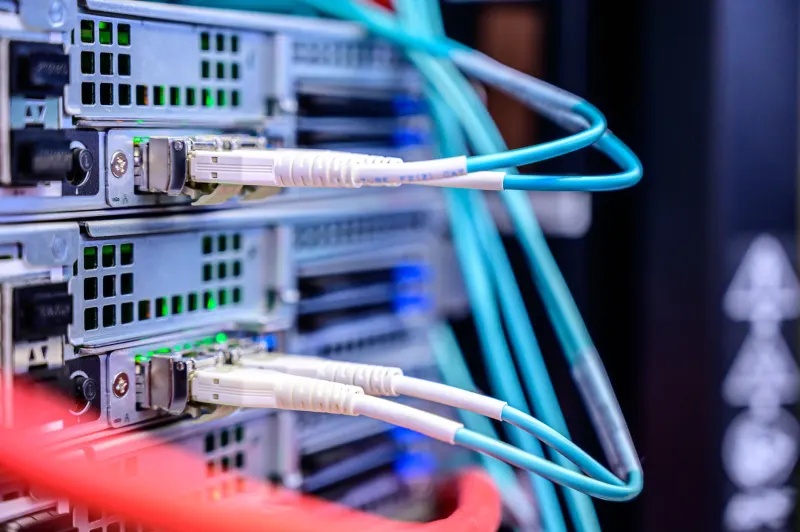
Nvidia is pursuing an unconventional strategy to address infrastructure demands by targeting legacy telephone and telecom facilities for compact regional computing operations. Recent reports indicate that the semiconductor giant has contacted investment firm Apollo Global Management to discuss converting more than 130 properties owned by broadband operator Brightspeed. This proposed network of smaller data centers could potentially stretch across as many as twenty American states, leveraging existing real estate to bypass the extensive ground-up construction hurdles typically associated with massive data center campuses.
Key takeaways
- Nvidia is exploring the conversion of over 130 Brightspeed telecom properties into small AI data centers across 20 states.
- The properties collectively offer approximately 1 gigawatt of electrical capacity to support future server deployments.
- Renovations could potentially begin during the first quarter of 2027 using systems built around the upcoming Vera Rubin platform.
- The initiative follows a notable 9 percent drop in Nvidia shares during a recent Thursday trading session amid broader market uncertainty.
Mechanics of the proposed telecom retrofits
The properties under evaluation collectively offer approximately 1 gigawatt of electrical capacity, which could support substantial investments in next-generation server systems for future deployments. Nvidia has reportedly sent a formal written proposal to Brightspeed, requesting additional information and arranging opportunities to directly inspect locations under consideration for possible conversion. Retrofitting older properties may face fewer planning obstacles than entirely new developments, though local approvals would still be required for essential cooling and infrastructure upgrades. These adjustments come as political calls for temporary data center restrictions have emerged from Democratic candidates in states including Texas.
Unlike enormous training campuses, Nvidia reportedly describes the proposed locations as an inference network. This setup is specifically intended to operate artificial intelligence models that have already completed their initial training phase. That distinction could make smaller regional sites particularly useful to cloud operators and artificial intelligence developers needing localized computing capacity closer to end customers and existing telecommunications networks.
Challenges, timelines, and market context
Industry experts have pointed out both distinct advantages and operational hurdles tied to repurposing legacy telecom infrastructure. Zac Smith, chief executive of Datum, noted that older buildings can effectively unlock underutilized power resources, though aging equipment may simultaneously drive up operating costs and require extensive maintenance during ongoing operations. Furthermore, potential users of such localized infrastructure could theoretically include major players like OpenAI, Anthropic, and SpaceX, although specific lease agreements or equipment ownership structures have not been publicly confirmed.
Discussions indicate that renovations could potentially begin as early as the first quarter of 2027, utilizing hardware built around Nvidia's upcoming Vera Rubin platform. Brightspeed is reportedly backed by Apollo and close to bankruptcy, leaving commercial terms unconfirmed. This infrastructure strategy also comes at a turbulent time for chip stocks. Nvidia shares experienced a decline of more than 9 percent during Thursday's trading session—marking their steepest daily drop since January 2025—as investors weighed regulatory uncertainties, political pushback against data center expansions, and the broader pace of new computing developments.





Comments