Why IT Experts Still View Employees as the Biggest Cybersecurity Threat
New industry research reveals that 68% of IT professionals see human error as their most concerning attack vector, overshadowing automated threats.
Latest stories, in-depth analysis & breaking updates
New industry research reveals that 68% of IT professionals see human error as their most concerning attack vector, overshadowing automated threats.
Security awareness training has been a standard fixture of enterprise security programs for decades, but its effectiveness has been the subject of ongoing debate. Traditional annual compliance-...
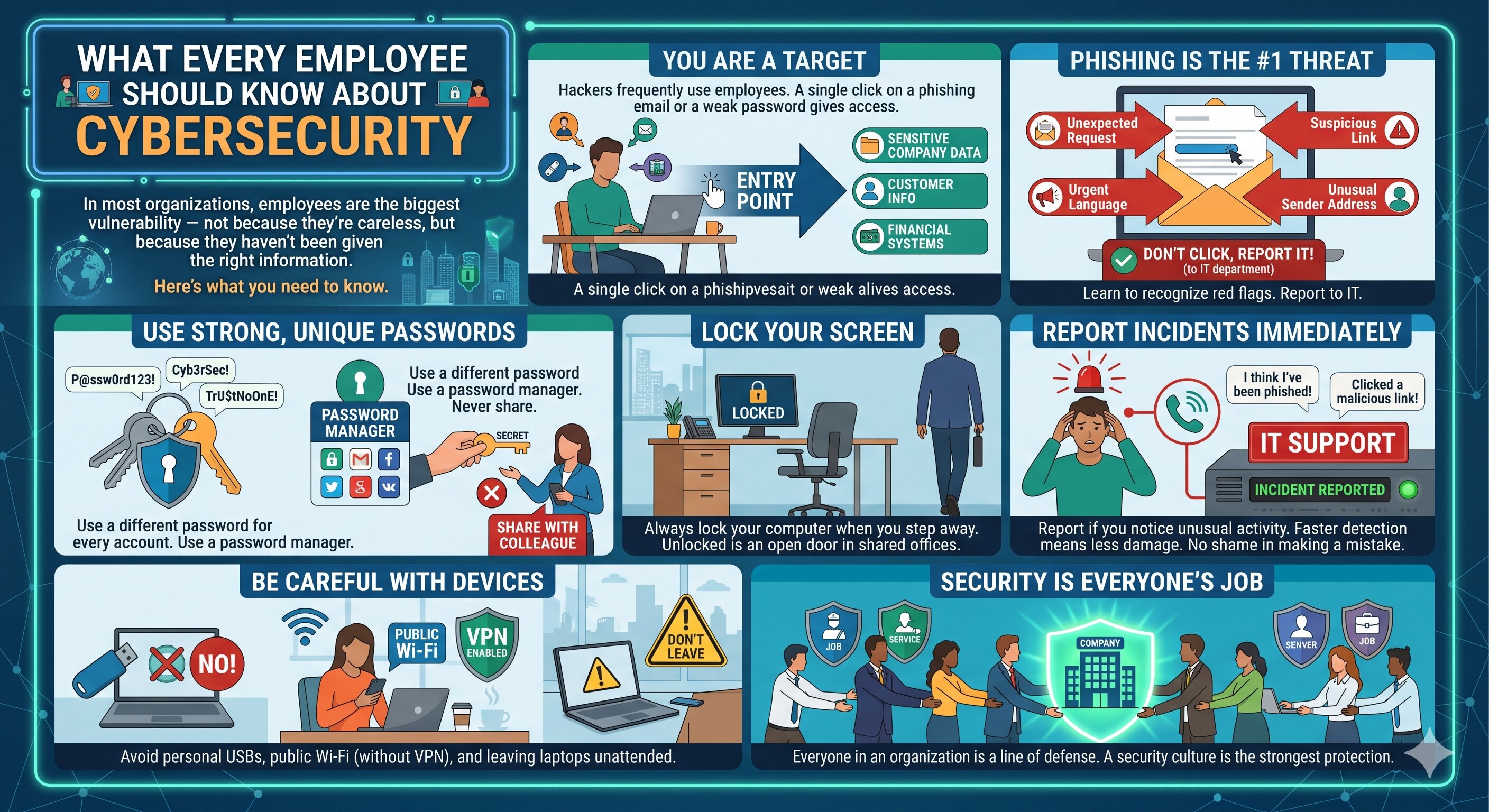
What Every Employee Should Know About Cybersecurity In most organizations, employees are the biggest cybersecurity vulnerability — not because they're careless, but because they haven't been give...
Technical security controls, no matter how sophisticated, ultimately depend on human behavior to remain effective, since employees represent both the first line of defense against many categori...
The insider threat remains one of the most difficult cybersecurity challenges organizations face, in part because it subverts the fundamental trust relationships that make organizations functio...
The human element of cybersecurity risk received renewed attention in 2026 with updated research indicating that approximately 25% of significant data breaches involve current or former emp...
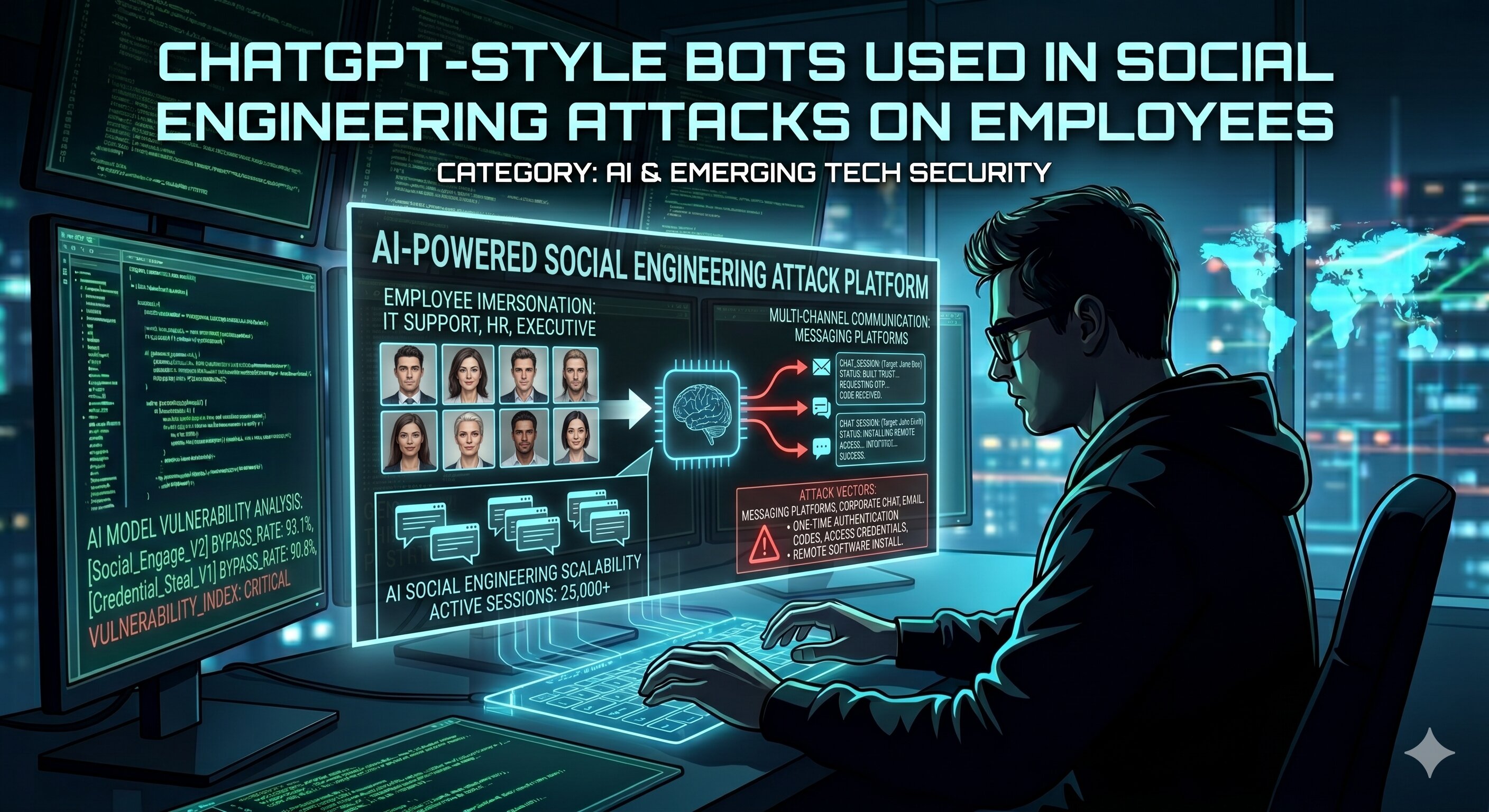
ChatGPT-Style Bots Used in Social Engineering Attacks on Employees Category: AI & Emerging Tech Security Security researchers and corporate cybersecurity teams have documented a growing t...
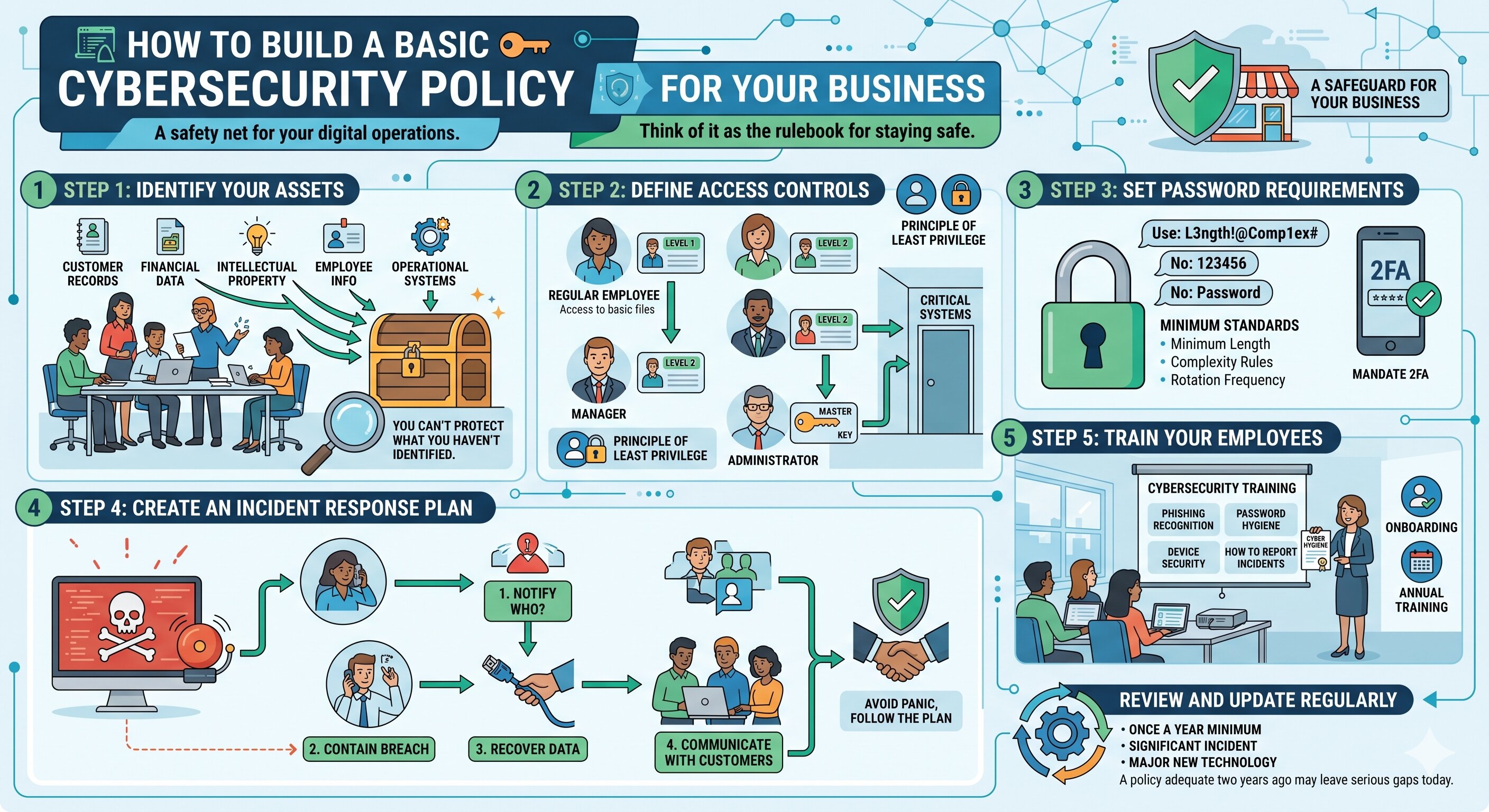
How to Build a Basic Cybersecurity Policy for Your Business If your business doesn't have a cybersecurity policy, you're operating without a safety net. A policy doesn't need to be complex — but ...
Despite decades of investment in technical security controls, social engineering remains one of the most consistently effective attack vectors precisely because it targets human psychology rath...
The shift toward distributed and hybrid work arrangements has fundamentally changed the dynamics of insider threat risk, removing many of the informal social cues and physical security controls...