UCLA researchers build $400 open source humanoid robot powered by old Android phones
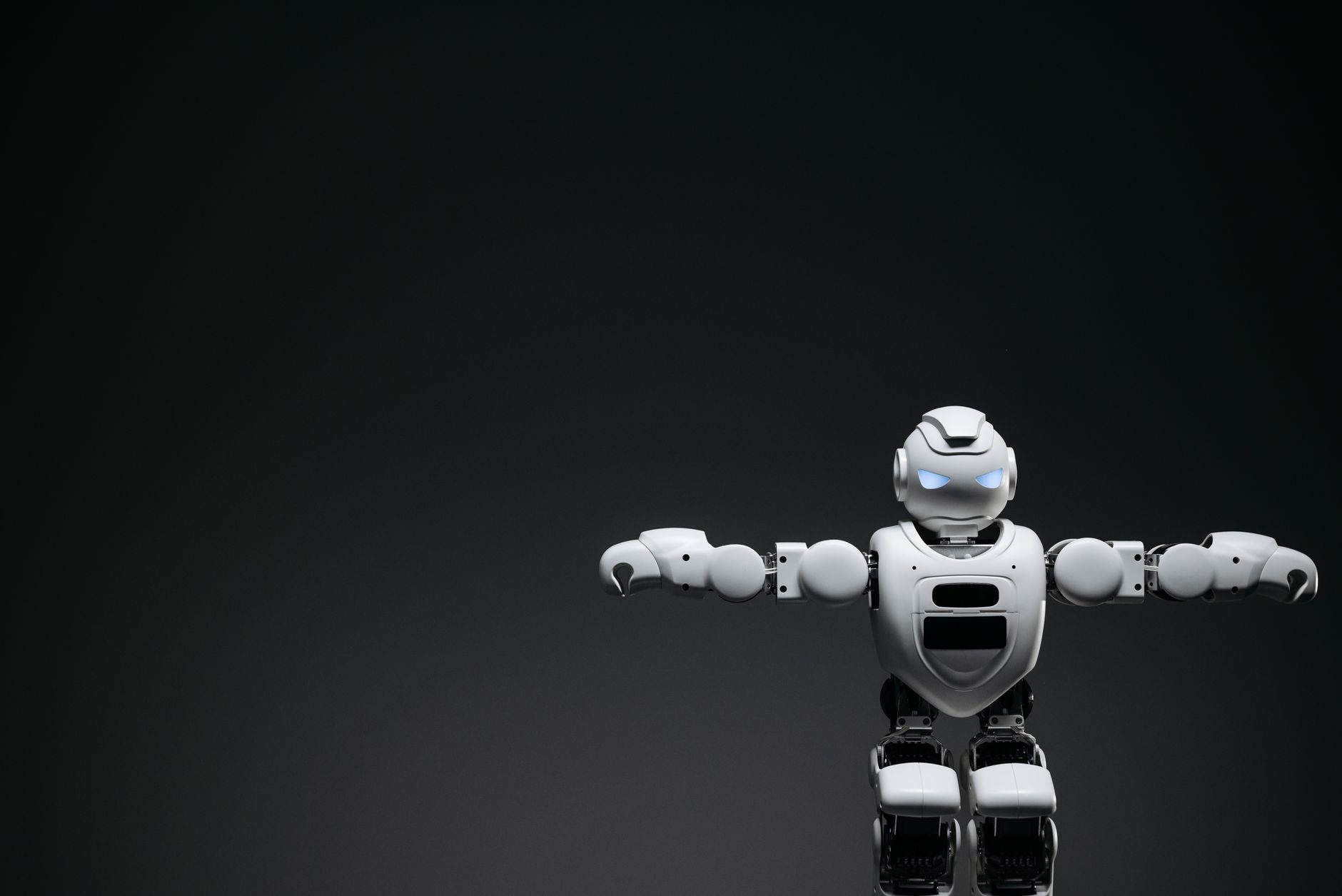
A team at UCLA has developed PhoneBot, a 483-millimeter-tall humanoid robot that uses inexpensive Android smartphones for its vision, sensing, and walking control.
Latest stories, in-depth analysis & breaking updates
A team at UCLA has developed PhoneBot, a 483-millimeter-tall humanoid robot that uses inexpensive Android smartphones for its vision, sensing, and walking control.
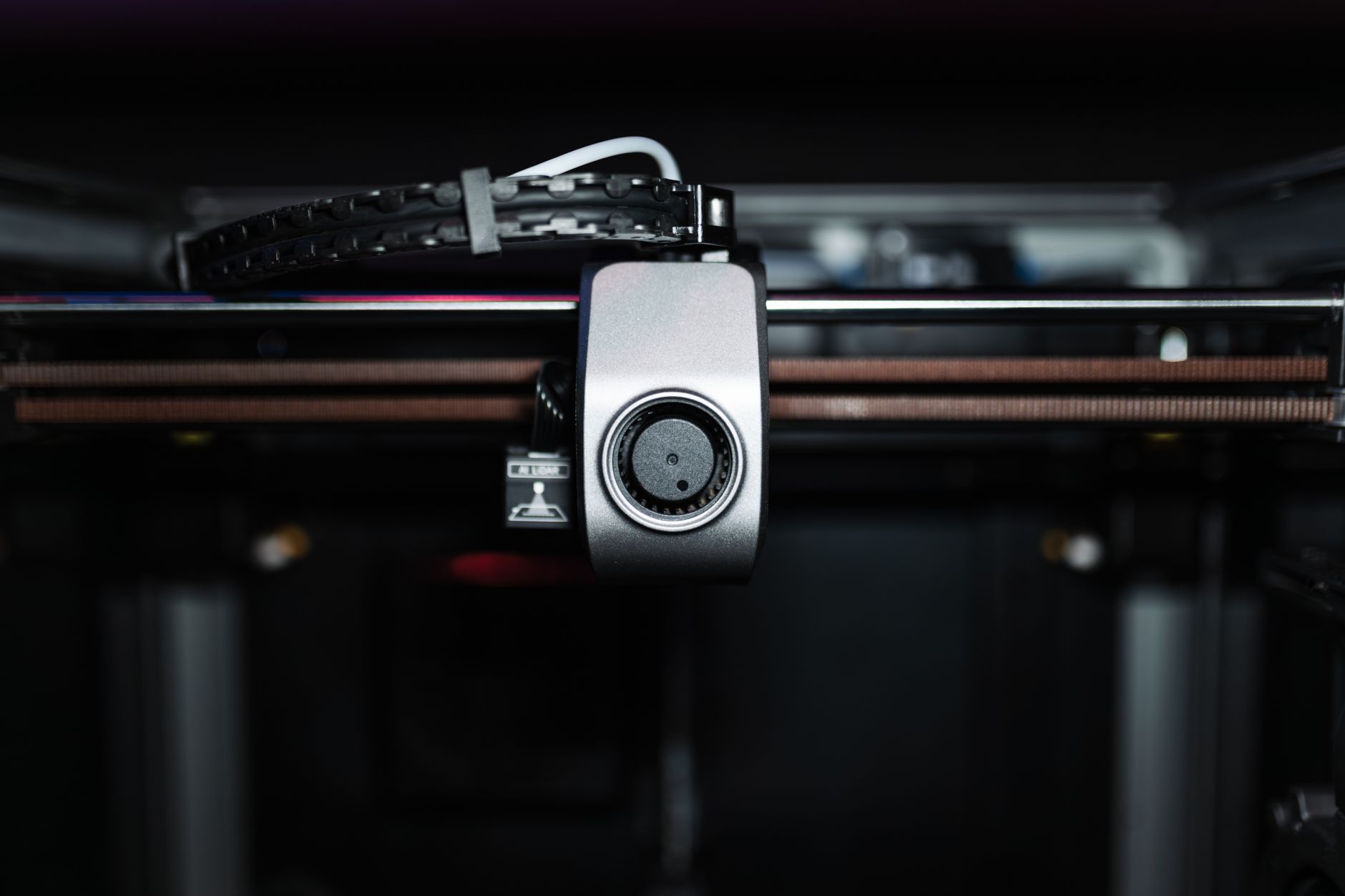
Researchers at UC Berkeley have made their advanced volumetric 3D printing technology publicly available, promising faster production speeds for complex geometries.
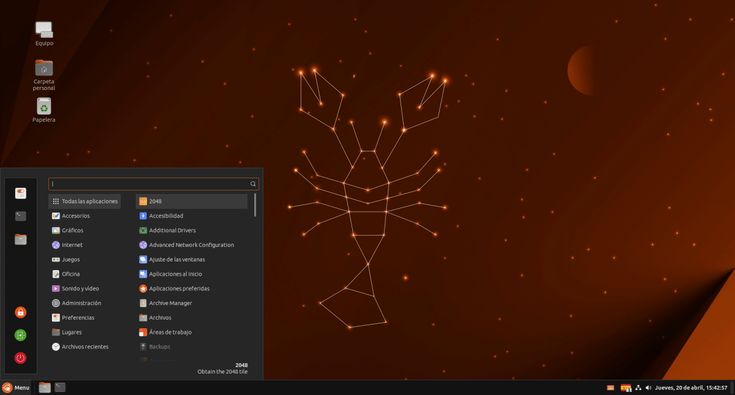
The Linux Mint Team has officially released the Linux Mint 22.2 Beta, giving users an early preview of the next version of one of the world's most popular desktop Linux distributions. The beta introdu...
The Linux Kernel 6.17 has officially been released, bringing a broad range of improvements focused on hardware compatibility, performance optimization, virtualization, security, and power efficiency. ...
The Linux Kernel 6.16 Release Candidate (RC) has officially been announced, bringing a wide range of improvements focused on performance optimization, expanded hardware compatibility, filesystem enhan...
The Linux development community has officially begun work on Linux Kernel 6.17, marking the start of another important development cycle for the world's most widely used open-source operating system k...
Canonical has officially announced the Ubuntu 26.10 Beta, giving developers, system administrators, and Linux enthusiasts an early preview of the next version of one of the world's most popular Linux ...
The open-source community has welcomed the release of Linux Kernel 6.17, bringing a wide range of improvements aimed at boosting system performance, expanding hardware compatibility, enhancing securit...
MIT student Nathan Alspaugh has created Keybytes, an open-source project featuring magnetically connected keys with individual microcontrollers.
OpenAI CEO Sam Altman suggested on a recent podcast that personal computers having local DRAM is a waste of global resources during the current AI supply crunch.